
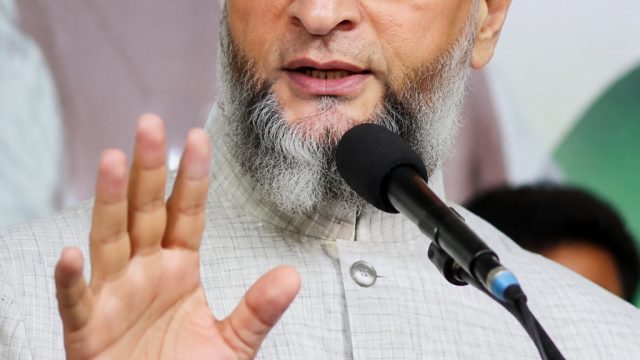
In a recent statement, Asaduddin Owaisi, the president of the All India Majlis-e-Ittehadul Muslimeen (AIMIM), highlighted the importance of Indian interests in the context of India-China relations. Speaking from Hyderabad, Owaisi underscored that while many Indians desire peaceful and cooperative ties with their Chinese counterparts, these relations should not be dictated solely by Beijing's preferences. This assertion couldn’t come at a more critical time as geopolitical tensions continue to rise.
The Current State of India-China Relations
Relations between India and China have been strained for several years, particularly following border clashes and military standoffs. The two nations, both of which are major players in Asia and globally, have faced numerous challenges that complicate their diplomatic ties.
Recent Developments
- Border skirmishes in Ladakh have reignited tensions.
- Trade disputes and tariffs imposed on various goods have affected economic ties.
- Diplomatic dialogues have not yielded substantial resolutions.
Owaisi’s comments reflect a growing sentiment among political leaders that while engagement with China is essential, it must be predicated on mutual respect and recognition of India’s sovereignty and interests.
The Need for a Pragmatic Approach
Owaisi asserts that the quest for normalcy in India-China interactions cannot come at the cost of Indian interests. He remarked on social media, emphasizing that, "Indian interests have to be paramount and cannot be discarded in pursuit of normalcy with China." This perspective encourages a careful balancing act between diplomacy and national integrity.
Key Aspects of a Balanced Relationship
To foster a more constructive relationship, Owaisi suggests certain approaches be adopted:
- Transparent Communication: Open channels for dialogue can mitigate misunderstandings.
- Strengthening Economic Policies: Focus on balancing trade and reducing reliance on Chinese imports.
- Cultural Exchanges: Encouraging people-to-people contacts to build mutual understanding.
The Role of Public Opinion
Public sentiment largely influences political decisions. Owaisi's stance resonates with many who feel that while India should pursue diplomatic relations, it must remain vigilant and assertive regarding its national interests. Recent polls indicate that a significant portion of the Indian population supports a more cautious approach towards engaging with China.
What Citizens Think
- Many respondents advocate for stronger defense capabilities.
- Concerns over economic dependency on China are prevalent.
- Public calls for more transparency in governmental dealings with China are rising.
This public opinion underscores the need for leaders like Owaisi to push for a diplomatic approach that is rooted in the realities of current geopolitical dynamics.
Conclusion: A Path Forward
As India navigates its complicated relationship with China, Owaisi’s insights remind decision-makers that the country’s interests must remain the priority. The ongoing discussions about India-China ties are crucial, and balancing these interests with a desire for normalization is imperative for sustainable peace in the region.
In conclusion, as geopolitical landscapes evolve, it becomes increasingly necessary for India to articulate a clear and independent stance in its dealings with China. The voices of leaders like Owaisi play a vital role in shaping public discourse around these pivotal issues.
