
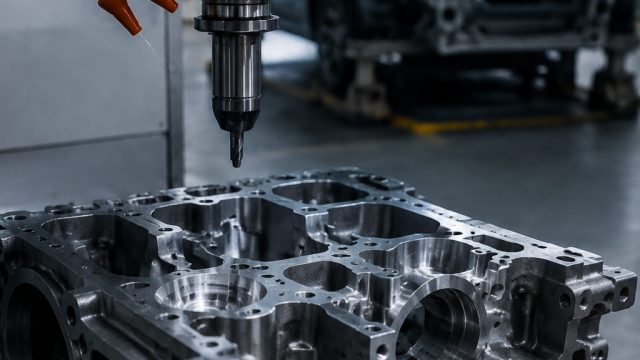
In an era where the automotive industry is constantly evolving, precision machining has emerged as a cornerstone for quality and performance. As manufacturers face increasing demands for tighter tolerances and superior material performance, understanding the role of precision machining becomes essential for both producers and consumers. This article delves into the mechanics of precision machining and highlights its significance in today's automotive landscape.
What is Precision Machining?
Precision machining involves the use of advanced technology to create parts and components with remarkable accuracy. Utilizing Computer Numerical Control (CNC) machines, manufacturers can achieve precise dimensions and surface finishes that are often required in automotive applications. The process is not only about cutting materials but also about ensuring that every piece fits perfectly in a larger assembly, which is crucial for the safety and functionality of vehicles.
Key Benefits of Precision Machining
- Enhanced Quality: Precision machining allows manufacturers to produce high-quality components that meet strict industry standards. Each part is crafted to exact specifications, reducing the risk of errors during assembly.
- Increased Efficiency: Automated processes significantly shorten production times. With CNC machines, manufacturers can produce multiple components simultaneously, optimizing workflow and reducing labor costs.
- Material Versatility: Precision machining is not limited to metals; it also encompasses various materials, including plastics. This versatility is especially beneficial in automotive applications where different materials are needed for specific functions.
Why Plastic Fabrication Services Matter
While metal components have traditionally dominated the automotive sector, plastic fabrication has become increasingly important. As the industry moves towards lightweight designs, plastic components are often favored for their durability and reduced weight. Here’s why plastic fabrication services hold significance:
1. Weight Reduction
Modern automotive design emphasizes lightweight materials to improve fuel efficiency. Plastic components are significantly lighter than metal counterparts, contributing to overall weight reduction without compromising strength.
2. Cost-Effectiveness
Plastic fabrication offers a cost-effective solution for producing complex shapes and designs. The lower material costs and reduced machining requirements make plastics an attractive option for automotive manufacturers.
3. Enhanced Design Flexibility
Plastic can be molded into intricate shapes that are difficult to achieve with metals. This design flexibility allows for innovative features that enhance vehicle functionality and aesthetics.
The Future of Precision Machining in Automotive
As the automotive industry accelerates towards electrification and autonomous driving, precision machining will continue to play an essential role. With advancements in technology, such as 3D printing and AI-driven machining processes, manufacturers can expect even greater efficiency and precision.
Emerging Technologies
- Additive Manufacturing: This technology complements traditional machining by allowing for the creation of complex parts that were previously impossible to manufacture.
- Smart Manufacturing: Integrating IoT devices into machining processes will enable real-time monitoring and adjustments, leading to improved quality control and reduced waste.
- Sustainability: As environmental concerns grow, precision machining and plastic fabrication services are adapting to include sustainable practices, such as recycling materials and reducing energy consumption.
Conclusion
In conclusion, precision machining and plastic fabrication services are vital components in the automotive industry, particularly as manufacturers strive to meet modern demands. From enhancing quality and efficiency to facilitating innovation and sustainability, these practices are shaping the future of automotive production. As we look forward to advancements in technology and design, staying informed and adaptable will be key for industry stakeholders. For automotive care and services that prioritize quality and precision, visit melzaar.com for more insights and expert guidance.
