
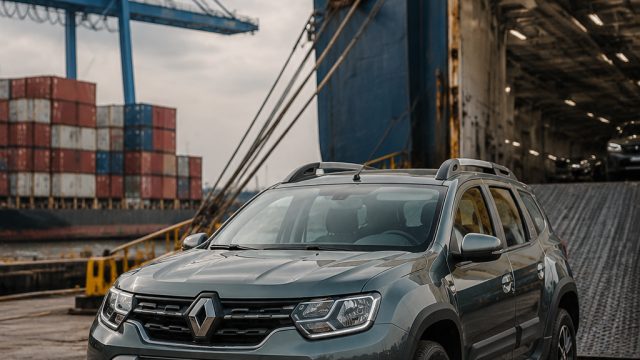
In a strategic move signaling its growth ambitions, Renault India has officially commenced exports of its popular Duster model. This initiative marks a significant milestone for the company, as it sets its sights on achieving annual vehicle and component shipments worth €2 billion by the year 2030. This bold objective not only strengthens Renault's position in the automotive market but also highlights the increasing demand for quality vehicles from India.
Why This Launch is Significant
The launch of Duster exports comes at a time when the automotive industry is undergoing transformative changes, driven by technological advancements and evolving consumer preferences. With the expanding global market, Renault India is poised to capitalize on these trends. By establishing a foothold in international markets, the company is not only enhancing its brand visibility but also reinforcing India's role as a key player in the global automotive landscape.
Impact on the Indian Automotive Sector
- Job Creation: The export initiative is expected to create numerous job opportunities within the automotive sector, contributing to economic growth.
- Enhanced Manufacturing Capabilities: Renault’s commitment to export will lead to investments in state-of-the-art manufacturing technologies.
- Competitive Advantage: By exporting, Renault can better compete against other global automotive brands operating in India.
Renault's 2030 Vision for Exports
Renault’s vision is not just limited to the exports of vehicles. The company aims to develop a comprehensive supply chain that includes components as well. This diversified approach will ensure sustained growth and stability for Renault India, providing resilience against market fluctuations.
Strategic Partnerships and Collaborations
To support its ambitious targets, Renault India is likely to foster partnerships with local suppliers and international distributors. This collaborative approach can enhance efficiency and reduce costs, allowing the company to offer competitive pricing for its vehicles. Moreover, these partnerships could potentially lead to technological exchanges that benefit the overall quality of Renault products.
The Road Ahead: Challenges and Opportunities
While the outlook appears promising, Renault India must navigate various challenges as it embarks on this export journey. Some potential hurdles include:
- Regulatory Compliance: Understanding and adhering to the regulations of different international markets will be critical.
- Supply Chain Disruptions: Global supply chain issues may pose risks that could affect production schedules.
- Market Competition: Renault will need to contend with established players and new entrants in the global automotive market.
Conversely, the opportunities are vast. With increasing demand for SUVs in many regions, Renault's Duster, touted for its robust features and affordability, is well-positioned to capture market share. Additionally, leveraging digital marketing strategies can help Renault reach target consumers effectively in new markets.
Conclusion
Renault India’s launch of Duster exports is not merely a business decision; it symbolizes a broader vision for growth and transformation within the Indian automotive industry. By setting an ambitious target of €2 billion in annual shipments by 2030, Renault demonstrates its commitment to leveraging India’s manufacturing capabilities and enhancing its global presence. As the company gears up to navigate challenges and seize opportunities, industry observers will be keenly watching how this initiative unfolds in the coming years.
