
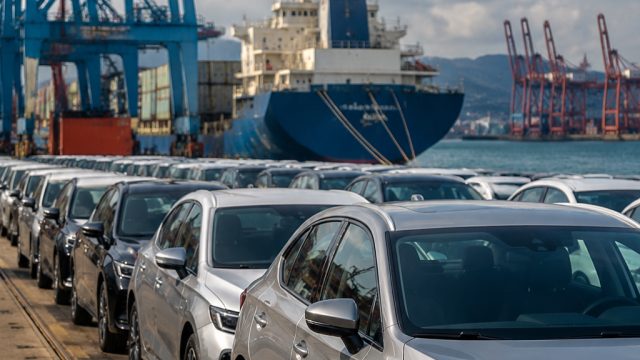
In a significant shift that could reshape the automotive landscape, several prominent Japanese manufacturers are relocating their production facilities from Indonesia to Vietnam. This move comes in response to changing economic conditions, evolving market demands, and the strategic need to optimize supply chains. As the industry braces for this change, it's essential to explore the implications for both manufacturers and consumers in the current climate.
The Strategic Move: Why Vietnam?
Vietnam has emerged as an attractive destination for automotive manufacturers due to a combination of factors. These include:
- Cost Efficiency: Lower labor costs compared to Indonesia are drawing OEMs to set up their operations in Vietnam.
- Favorable Trade Policies: Vietnam offers various incentives for foreign investors, including tax breaks and streamlined regulations.
- Growing Market Potential: With a rising middle class, the demand for vehicles in Vietnam is expected to spike, presenting lucrative opportunities for automakers.
Economic Climate: Impact on Indonesian Workforce
The shift of production facilities is expected to have severe ramifications for the Indonesian workforce. Thousands of jobs may be affected as manufacturers close their doors or scale back operations. This could lead to increased unemployment rates in regions heavily reliant on automotive manufacturing. Furthermore, the local economy might face significant downturns as auto parts suppliers and ancillary businesses also feel the pinch.
The Broader Implications for the Automotive Industry
This relocation does not just affect Indonesia and Vietnam. The overall automotive market is likely to feel the effects:
- Supply Chain Adjustments: With production moving to Vietnam, existing supply chains may need to adapt, impacting timelines and costs across the board.
- Increased Competition: As more manufacturers enter Vietnam, competition in the automotive sector will intensify, potentially leading to price wars and innovation in design and technology.
- Consumer Choices: With more vehicles produced in Vietnam, consumers may benefit from a broader range of options and potentially lower prices.
Global Market Dynamics
Japanese automakers are not the only players in the global market making strategic changes. With emerging technologies and shifting consumer preferences, manufacturers worldwide are re-evaluating their approaches. The rise of electric vehicles (EVs) and sustainability-focused business practices are crucial factors driving these changes, with companies striving to meet the evolving demands of environmentally conscious consumers.
Looking Ahead: What Can Consumers Expect?
As we move further into 2023, consumers should remain alert for the following trends:
- New Vehicle Offerings: Expect a wider array of vehicles from Japanese automakers as they capitalize on the growing Vietnamese market.
- Potential Price Adjustments: With shifts in production costs, pricing strategies may change—either lowering prices due to competition or increasing them based on supply chain adjustments.
- Enhanced Quality Standards: As manufacturers aim to capture market share, they may invest more heavily in quality control and innovation, benefiting the consumer experience.
Conclusion: A New Era for the Automotive Industry
The move of Japanese OEMs from Indonesia to Vietnam represents a pivotal moment in the automotive industry. As markets evolve and new opportunities arise, both manufacturers and consumers will need to adapt to this changing landscape. Keeping an eye on these developments will be essential for understanding future trends in the automotive sector.
