
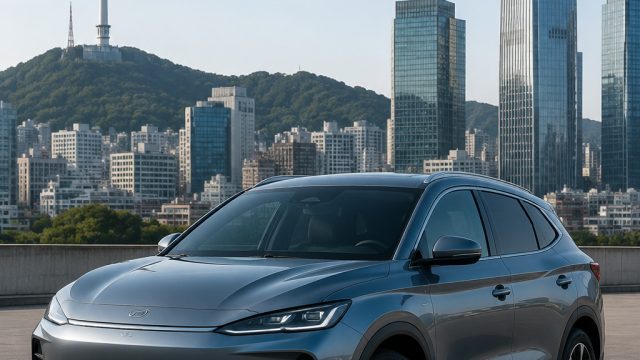
In a bold move aimed at reshaping the landscape of automotive options in South Korea, BYD is making waves with the introduction of cost-effective plug-in hybrid electric vehicles (PHEVs). As the prevalence of electric vehicles rises globally, BYD’s strategy underlines the importance of affordability and accessibility in this fast-evolving market.
Understanding BYD's Unique Position in the Market
BYD, a leading name in the electric vehicle sector, has swiftly become a key player in the PHEV market. The company's mission is clear: to provide environmentally-friendly vehicles that don’t break the bank. With a focus on producing PHEVs that are both affordable and efficient, BYD is poised to attract a new wave of consumers eager to transition to greener automotive solutions.
Why the Korean Market?
South Korea has shown a growing appetite for electric and hybrid vehicles, driven by both governmental incentives and a cultural shift towards sustainability. This makes it an ideal target for BYD's latest offerings. The South Korean government has implemented various policies to encourage electric vehicle adoption, including subsidies and infrastructure development, making the timing of BYD's entry particularly strategic.
A Closer Look at BYD’s PHEV Offerings
With various models designed to meet the needs of both urban and rural drivers, BYD's PHEVs are tailored for efficiency without compromising performance. Here’s what consumers can expect:
- Affordability: BYD’s commitment to producing low-cost PHEVs makes them appealing to budget-conscious consumers.
- Efficiency: These vehicles are designed to maximize fuel economy while minimizing emissions, aligning with global green initiatives.
- User-Friendly Technology: Equipped with advanced technology for ease of use, BYD PHEVs provide a seamless driving experience.
- Improved Performance: With competitive horsepower and torque, these vehicles do not sacrifice performance for efficiency.
Comparative Advantages Over Competitors
Unlike conventional gasoline vehicles, BYD’s PHEVs offer reduced running costs and potential tax benefits. Consumers may find that making the switch can not only help save on fuel but also provide long-term savings through reduced maintenance costs. Additionally, the growing number of charging stations across South Korea enhances the viability of PHEVs compared to traditional models.
The Importance of Sustainability in Today’s Market
As consumers become more environmentally conscious, the demand for sustainable automotive solutions continues to rise. BYD’s strategy to provide affordable PHEVs is not just a business decision; it is a response to a larger trend within the automotive industry. By focusing on sustainability, BYD positions itself as a leader in eco-friendly transportation.
Future Trends in PHEV Adoption
With technological advancements and increased consumer awareness, the market for PHEVs is expected to grow significantly. Industry experts predict that as battery technology improves and infrastructure expands, more consumers will opt for hybrid models. BYD's entry into the Korean market comes at a time when consumer interest is peaking, making it an opportune moment for the company to establish its presence.
Conclusion: Why Now is the Time to Consider PHEVs
With its targeted approach and commitment to affordability, BYD is set to revolutionize the way South Koreans view hybrid vehicles. As the automotive industry continues to pivot towards greener alternatives, BYD's strategic positioning in the PHEV market highlights the importance of making sustainable choices accessible to everyone. For consumers in South Korea, the arrival of BYD's affordable PHEVs could mark the beginning of a new era in eco-friendly transportation.
As you contemplate your next vehicle purchase, consider how a PHEV could not only meet your needs but also support a more sustainable future. Whether through enhanced fuel efficiency or lower overall costs, BYD’s offerings may just be the perfect fit for today’s environmentally-aware consumer.
