
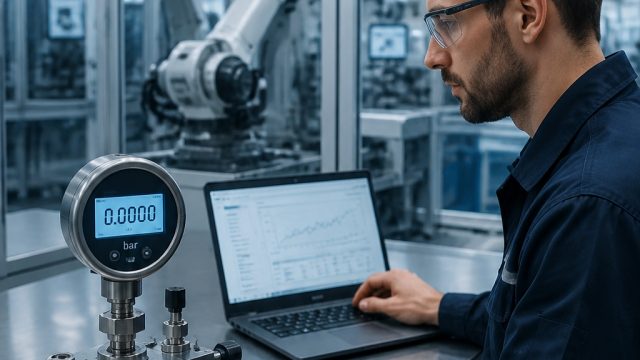
The Future of Pressure Calibration: Adapting to Automation Trends
The pressure calibration check sets market is experiencing a remarkable shift, propelled by advancements in automation and increasing compliance mandates. As industries evolve, the need for precise measurement and calibration continues to grow, and businesses must stay ahead to maintain efficiency and safety.
The Intersection of Automation and Calibration
As automation becomes a critical component in manufacturing and other sectors, the demand for pressure calibration check sets is on the rise. This trend is not just a fleeting moment; it marks a significant shift in how industries operate. Let’s explore the reasons behind this transformation:
Increased Precision and Efficiency
- Automation reduces human error, ensuring more accurate pressure readings.
- Calibrated equipment leads to optimized operational efficiency.
- Advanced systems can perform real-time monitoring and adjustments, enhancing overall productivity.
Regulatory Compliance Necessities
With stricter regulatory requirements across various industries, compliance has never been more crucial. Companies face mounting pressures to adhere to standards, driving the need for reliable calibration tools. Regulations often specify:
- Regular calibration of equipment to ensure safety and reliability.
- Documentation of calibration processes to meet audit requirements.
- Use of certified calibration instruments to maintain compliance.
Market Growth Projections
Industry experts predict remarkable growth in the pressure calibration check sets market in the coming years. According to recent analyses, the market could reach unprecedented heights by 2035, fueled by several factors:
Technological Innovations
Continuous advancements in technology are enhancing the functionality of calibration devices:
- Smart sensors that automatically adjust and calibrate.
- Data integration capabilities allowing for better tracking and analysis.
- Remote calibration tools that facilitate easier management across multiple locations.
Expansion into New Industries
While traditionally associated with manufacturing and automation, the application of pressure calibration is expanding into:
- Healthcare, where precise measurements are essential for patient safety.
- Food and beverage sectors, ensuring product safety and quality.
- Aerospace, where even minor pressure variations can lead to significant consequences.
Challenges in the Pressure Calibration Market
Despite the optimistic outlook, the pressure calibration market faces several challenges:
Cost Factors
High-quality calibration equipment can be costly, which may deter some businesses from upgrading their systems. However, investing in precision calibration tools can ultimately lead to:
- Reduced operational costs through increased efficiency.
- Minimized risks related to equipment failure.
- Enhanced product quality and consistency.
Skill Gaps in the Workforce
As technology evolves, the workforce must adapt to new tools and systems, which may lead to a skills gap. Companies must focus on:
- Training programs to upskill existing employees.
- Attracting new talent familiar with advanced calibration technologies.
Conclusion: Embracing the Future of Pressure Calibration
The future of the pressure calibration check sets market looks bright as it aligns with automation trends and compliance demands. Companies that invest in cutting-edge calibration technology and training will be well-positioned to thrive in this evolving landscape. As we look towards 2035, staying informed and adapting to these trends will be essential for success.
