
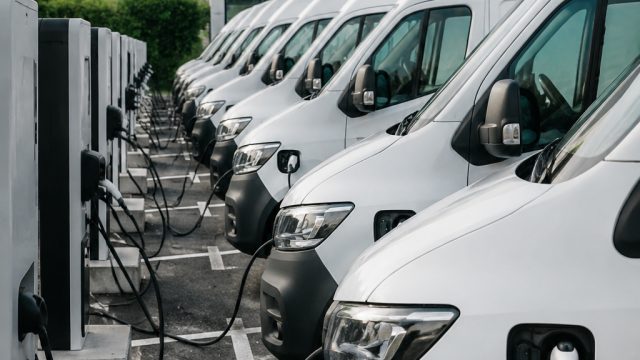
As the automotive industry rapidly evolves, the shift towards electric vehicles (EVs) is not just a trend but a necessity for sustainability. In this changing landscape, leasing providers emerge as pivotal partners in facilitating the transition to electric fleets. Understanding their role is crucial, especially as businesses seek to align with environmental targets and reduce their carbon footprint.
Why Electric Fleets are a Growing Priority
With increasing regulations surrounding emissions and a global push towards greener alternatives, companies are under pressure to adopt electric vehicles. Fleet managers are now recognizing that moving to electric fleets not only meets compliance but also offers long-term cost savings. A recent analysis shows that the total cost of ownership for EVs can be lower than traditional vehicles over time, given their lower maintenance costs and fuel savings.
Emerging Trends in Fleet Electrification
- Government incentives for EV adoption
- Technological advancements improving battery life and charging infrastructure
- Growing public demand for sustainable business practices
Leasing Providers: Key Catalysts for Change
Leasing providers are uniquely positioned to help businesses transition to electric fleets. They offer flexible financing options that allow companies to incorporate EVs without the hefty upfront costs associated with purchasing vehicles outright. This flexibility is crucial as businesses navigate the complexities of electrification.
Benefits of Working with Leasing Companies
- Cost Efficiency: Leasing can often be more affordable than buying, especially when factoring in potential tax incentives.
- Access to the Latest Technology: Leasing allows businesses to upgrade their fleets regularly, ensuring they benefit from advancements in EV technology.
- Reduced Risk: Leasing agreements often include maintenance, reducing the risk and hassle of managing fleet upkeep.
Challenges in Fleet Electrification and How Leasing Helps
Despite the advantages, many businesses face challenges in transitioning to electric fleets. Issues such as range anxiety, charging infrastructure, and initial capital costs can deter companies from making the leap. However, leasing providers can help mitigate these concerns.
Addressing Common Concerns
- Range Anxiety: Leasing providers can offer a variety of EV options with different ranges, allowing businesses to choose vehicles that best suit their operational needs.
- Charging Infrastructure: Many leasing companies partner with charging station providers to ensure clients have access to the necessary resources for their fleet.
- Initial Costs: By spreading out payments through leasing, companies can manage their budgets more effectively while investing in electric vehicles.
Strategic Insights for a Successful Transition
To ensure a smooth transition to electric fleets, businesses should consider the following strategies:
- Evaluate Fleet Needs: Assess the specific usage patterns and requirements of your fleet to determine the best EV options.
- Engage with Expert Leasing Providers: Collaborate with leasing companies that specialize in electric vehicle offerings.
- Plan for Charging Solutions: Develop a comprehensive charging strategy that includes location, power supply, and maintenance.
Conclusion: Embracing the Future of Mobility
The role of leasing providers in the transition to electric fleets cannot be overstated. As businesses face growing demands for sustainability, partnering with the right leasing company can simplify the process, making fleet electrification not just achievable but advantageous. As we move forward, the automotive industry will continue to innovate, and those who adapt will thrive in this electric future.
