
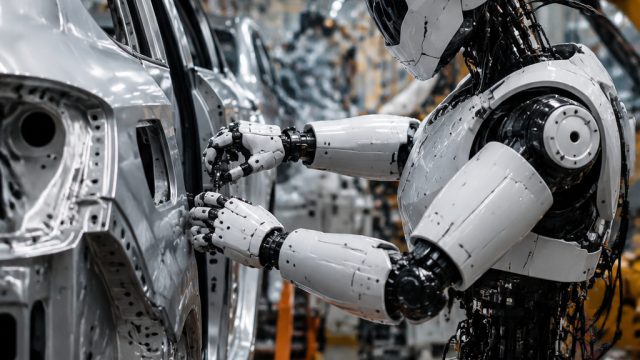
In a groundbreaking development, CATL and Galbot have unveiled the first heavy-duty humanoid robot, powered by CATL's advanced batteries. This innovation marks a significant shift in how industries approach heavy-duty tasks, integrating humanoid robots into their operations. As the world is becoming increasingly reliant on automation, understanding the implications and benefits of these advancements is essential for businesses and consumers alike.
The Emergence of Humanoid Robots
Humanoid robots are designed to perform tasks that traditionally require human intervention, particularly in heavy-duty environments. These robots are not only built to replicate human movements but also to handle complex operations with enhanced precision and efficiency. As industries strive for greater productivity, the adoption of humanoid robots like those developed by CATL and Galbot is becoming increasingly pertinent.
Key Features of the Heavy-Duty Humanoid Robot
- Advanced Battery Technology: The robot's capabilities are backed by CATL's cutting-edge battery solutions, ensuring long-lasting performance and operational efficiency.
- Versatile Application: Designed for a variety of heavy-duty tasks, this robot can seamlessly integrate into different industrial environments.
- Enhanced Safety: By taking on dangerous tasks, these robots help reduce workplace injuries, significantly improving safety for human workers.
Why This Matters Now
The timing of this innovation is crucial, as industries worldwide face labor shortages and increasing operational demands. The pandemic has accelerated the shift towards automation, prompting businesses to seek reliable solutions to maintain productivity. Humanoid robots present an answer to these challenges by providing an efficient and consistent workforce capable of handling strenuous tasks.
The Role of Automation in Today's Workforce
Automating heavy-duty tasks can help companies reduce costs, improve efficiency, and address labor shortages. The integration of humanoid robots allows for:
- Increased operational efficiency by reducing the time needed to complete complex tasks.
- Minimized human error, leading to improved quality in product delivery.
- The ability to operate in hazardous environments without risking human life.
Future Trends in Robotics and Automation
As the technology behind humanoid robots continues to evolve, we can expect even more sophisticated capabilities in the near future. Industries will likely witness a rapid expansion of robotic applications, leading to:
- Collaboration with Humans: Robots will not only perform tasks independently but will also work alongside human workers, enhancing productivity.
- Customization: Future models may be customizable to specific industry needs, providing tailored solutions.
- Integration with AI: Artificial intelligence will play a pivotal role in making these robots more adaptable and responsive to their environments.
Challenges Ahead
Despite the promising future of humanoid robots, several challenges must be addressed. Issues such as the high initial costs of implementation, the need for continuous maintenance, and the potential displacement of jobs warrant careful consideration. However, as history shows, technological advancements often lead to the creation of new job categories even as they phase out older roles.
Conclusion: Embracing the Future of Industry
The advent of humanoid robots signifies a major leap forward in industrial automation. With the backing of advanced battery technology and a clear focus on enhancing workplace safety and productivity, these robots are set to transform how industries operate. As we move forward, it’s crucial for businesses to adapt to these changes and harness the potential of humanoid robots to stay competitive in a rapidly evolving market.
