
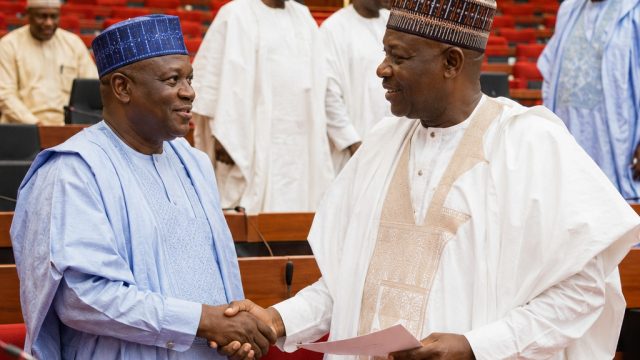
In a significant political shift, the President of the Nigerian Senate, Godswill Akpabio, officially welcomed four newly elected senators into the chamber on Wednesday. This follows their successful campaigns in recent bye-elections organized by the Independent National Electoral Commission (INEC). The newly inaugurated lawmakers are set to play vital roles in shaping Nigeria's legislative agenda during a pivotal period in the nation's history.
The New Entrants and Their Political Impact
The by-elections, which took place in various regions, were not just another electoral event but a reflection of the dynamic political landscape in Nigeria. The inclusion of these new senators could signal shifts in party power balances and legislative priorities.
Meet the New Senators
- Olaka Nwogu - Representing Rivers South East, a member of the Peoples Democratic Party (PDP).
- Envulu Anza - Representing the North Central region, an advocate for grassroots development.
- Kehinde Idowu - From the South West, focused on economic reforms.
- Cynthia Okoro - Representing the North West, emphasizing women's rights and youth empowerment.
Why This Matters Now
As Nigeria grapples with numerous challenges, including economic instability, security issues, and social unrest, the introduction of these senators comes at a critical juncture. Their perspectives and legislative agendas will be essential in addressing pressing national concerns.
Legislative Priorities Ahead
The new senators are likely to prioritize several key areas that resonate with their constituents, including:
- Economic Development: Advocating for policies that foster economic growth and job creation.
- Security Enhancements: Working towards stronger security measures to combat rising crime rates.
- Education Improvement: Pushing for reforms that enhance the quality of education across the nation.
- Healthcare Accessibility: Striving to ensure better healthcare facilities and services.
Public Reaction and Anticipated Changes
The public's response to these new senators has been mixed. While some citizens express hope for transformative policies, others remain skeptical about the political motives behind their elections. The effectiveness of these senators will ultimately depend on their ability to connect with the electorate and prioritize the needs of their constituents.
Community Engagement Initiatives
To foster trust and transparency, the new senators are expected to initiate various community engagement programs, including:
- Town Hall Meetings: Regular interactions with constituents to discuss local issues and gather feedback.
- Outreach Programs: Initiating grassroots campaigns to address specific community needs.
- Collaboration with NGOs: Partnering with non-governmental organizations to enhance service delivery in crucial areas.
Future Outlook and Conclusion
As these four senators step into their roles, the eyes of the Nigerian public will be on their actions. This newly constituted legislative body faces the daunting task of steering the nation toward stability and progress amidst an ever-evolving political backdrop.
In conclusion, the swearing-in of these new senators not only reshapes the Senate but holds the potential to ignite change throughout Nigeria. Stakeholders, citizens, and political observers alike will be keenly watching how these leaders navigate their responsibilities in the coming months. The future of Nigeria's legislative agenda is now in their hands, and the implications of their decisions will resonate across the country.
