
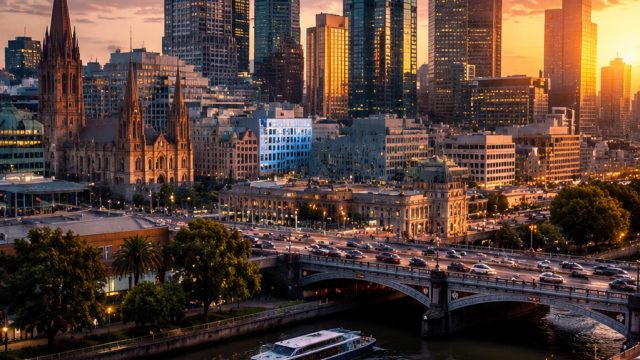
On June 25, 1847, a significant milestone in Australian history was reached when Melbourne was declared a city, setting the stage for its evolution into one of the most vibrant urban centers in the world. This proclamation not only marked the city's official status but also highlighted the complex origins of the settlement, which began under contentious circumstances.
Origins of Melbourne: A Tale of Ambition and Discontent
Melbourne's inception can be traced back to John Batman, a native-born Australian who sought to establish a settlement in the Westernport Bay area. His initial application for land was met with rejection, leading him to take matters into his own hands. In a bold move, Batman and his party negotiated with the local Indigenous people, resulting in a deal that was controversial and set the tone for future interactions between settlers and Indigenous communities.
The Settlement Begins
- Batman’s bold venture laid the groundwork for what would become a major urban hub.
- The city was established in a region filled with rich resources and fertile land, attracting more settlers.
- Despite initial opposition, the settlement grew rapidly, fueled by opportunities and the allure of the Australian Dream.
Melbourne's Growth and Development
Following its proclamation as a city, Melbourne witnessed a robust transformation. The booming gold rush in the 1850s played a pivotal role in its expansion, attracting people from all over the world. This influx of diverse cultures and backgrounds enriched the city's identity and created a melting pot of traditions and innovations.
Key Factors in Melbourne's Expansion
- Gold Rush: The discovery of gold attracted thousands, significantly increasing the population.
- Infrastructure Development: Investments in public transport, roads, and buildings transformed the cityscape.
- Cultural Flourishing: The arrival of different cultures sparked a vibrant arts scene, including music, theater, and visual arts.
Melbourne Today: A City of Innovation and Diversity
Fast forward to the present day, and Melbourne has become a global leader in various sectors, including technology, arts, and education. The city is known for its innovative spirit, consistently ranking among the world's most livable cities. This reputation is not merely a product of history but a reflection of the ongoing commitment to cultural diversity and urban development.
Current Trends Shaping Melbourne
- Technological Advancements: Melbourne is home to a burgeoning tech scene, driving innovation and entrepreneurship.
- Sustainability Efforts: The city's focus on green initiatives positions it as a leader in environmental responsibility.
- Cultural Celebrations: Events like the Melbourne International Comedy Festival showcase the city’s diverse talent.
Conclusion: The Legacy of Melbourne's Proclamation
The proclamation of Melbourne as a city on June 25, 1847, was more than just a formal designation; it was a significant turning point that laid the foundation for a dynamic, multicultural urban environment. As we reflect on this historical milestone, it becomes clear that the spirit of innovation and community that defined Melbourne's early days continues to inspire its future. Whether through advancements in technology, cultural diversity, or sustainable development, Melbourne remains a city that honors its past while eagerly embracing the possibilities of tomorrow.
