
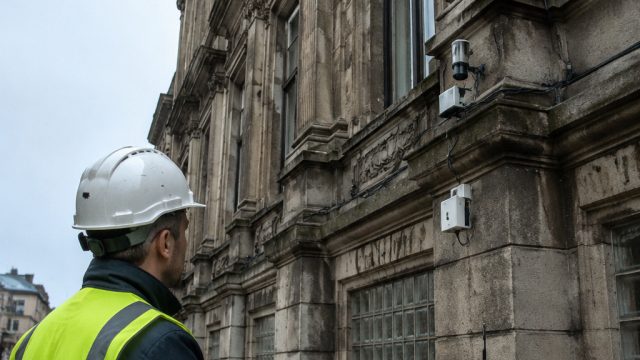
The anniversary of the tragic Surfside collapse serves as a stark reminder of the pressing need for enhanced safety measures in aging buildings. As structures age, their integrity can deteriorate, posing significant risks to residents and the surrounding community. In light of recent developments in building safety technology, it is essential to prioritize modern structural monitoring systems to ensure the continued safety and longevity of older buildings.
The Imperative of Structural Monitoring
Periodic inspections have long been a standard practice in maintaining the safety of buildings. However, relying solely on these periodic checks may not be sufficient in today’s context, especially for aging structures that require ongoing observation. Structural monitoring systems provide real-time data that can help identify potential issues before they escalate into more severe problems.
What is Structural Monitoring?
Structural monitoring involves the use of various technologies to measure and analyze the condition of a building's components over time. This can include:
- Sensor Technology: Sensors can detect changes in stress, strain, and movement within the structure.
- Data Analytics: Advanced software processes the collected data to predict potential failures.
- Remote Monitoring: Continuous observation allows for quicker responses to issues that may arise.
Addressing the Challenges of Aging Buildings
Aging buildings are prevalent in urban areas, with many structures dating back several decades. These buildings often face challenges such as weaknesses in materials, outdated designs, and increased wear and tear. Therefore, implementing a robust structural monitoring system becomes crucial. Here’s why:
Identifying Weaknesses Early
With the help of structural monitoring systems, building owners can pinpoint weaknesses in their structures early on. For example, regular monitoring can highlight issues such as:
- Foundation shifts or settling
- Cracking in walls or ceilings
- Deformation in structural elements
Being aware of these issues allows for timely interventions, which can save significant costs in the long run.
Ensuring Compliance with Safety Standards
Regulatory requirements for building safety are becoming more stringent. Structural monitoring can help owners ensure their buildings comply with these evolving standards. By integrating real-time data collection into maintenance practices, owners can provide documentation that proves their commitment to safety, potentially avoiding hefty fines and liability issues.
Technological Advances in Structural Monitoring
Today’s technological advances make structural monitoring more accessible and effective than ever. The integration of IoT (Internet of Things) and AI (Artificial Intelligence) into these systems allows for:
- Enhanced Data Collection: More accurate data collected from various sensors.
- Predictive Maintenance: Algorithms can forecast when and where maintenance will be needed.
- Cost Efficiency: Reducing the need for manual inspections saves time and resources.
Case Studies Highlighting the Need
Several recent case studies showcase the importance of structural monitoring. For instance, the collapse of the Champlain Towers South in Surfside underscored the inherent dangers of neglecting structural integrity, especially in older buildings. In contrast, facilities that adopted modern monitoring systems reported fewer incidents and enhanced safety through proactive maintenance.
The Future of Building Safety
As the demand for urban living continues to rise, the safety of aging buildings must not be overlooked. Investing in structural monitoring technology is not just a choice but a necessity. Building owners, managers, and developers must embrace these innovations to safeguard their investments and protect the lives of residents.
Conclusion
The tragic lessons learned from past building collapses should drive the urgent implementation of structural monitoring systems in aging buildings. By prioritizing real-time data collection and analysis, building owners can address safety concerns head-on and ensure the longevity of their structures. It’s time to move beyond periodic inspections and adopt a more proactive approach to building safety. At melzaar.com, we’re committed to providing insights and resources for maintaining and improving the safety of automotive and other infrastructures.
