
Introduction
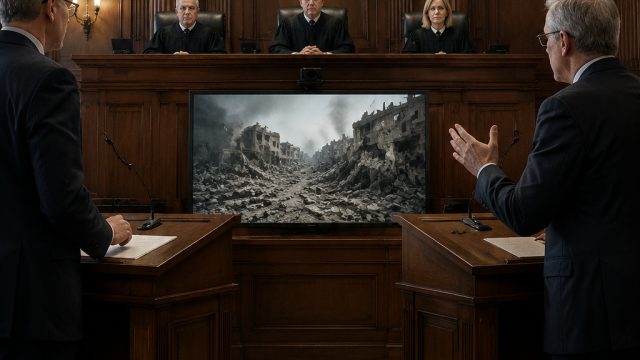
In a significant move that could reshape international legal dynamics, Iran has announced plans to pursue legal action against the United States and Israel, alleging involvement in war crimes during recent conflicts. This development is poised to have profound implications for global politics and the ongoing discourse surrounding accountability in warfare.
The Context of Legal Action
The Iranian judiciary, led by Chief Justice Gholam-Hossein Mohseni-Ejei, emphasized today the necessity of safeguarding the legitimate rights of the Iranian people through international legal channels. This announcement comes in the wake of escalating tensions and hostilities that have drawn international scrutiny.
What Are the Allegations?
Iran's claims focus on actions taken by US and Israeli forces that have allegedly violated international law. The accusations include:
- Targeted attacks on civilian infrastructure
- Indiscriminate bombings resulting in civilian casualties
- Violations of the Geneva Conventions
These allegations are not just legal in nature; they strike at the heart of ethical warfare and the responsibilities of nations in conflict.
Why This Matters Now
The timing of Iran's announcement is critical. With increasing global attention on human rights and war ethics, Tehran's legal strategy could resonate strongly in international forums. As nations around the world grapple with the implications of military engagement, Iran's decision to seek accountability could influence similar actions by other countries.
International Reactions
The reaction from the international community is expected to be varied. Some may view Iran's move as a legitimate pursuit of justice, while others might see it as a politically charged maneuver. Key players to watch include:
- Human rights organizations, which could support Iran's claim
- Western nations, likely to criticize the legality of Iran's allegations
- International courts, where the legal proceedings could unfold
The unfolding scenario presents a complex interplay of legal, ethical, and diplomatic factors that could shape future international relations.
The Role of International Law
International law plays a pivotal role in adjudicating matters of war crimes. Iran's legal strategy will hinge on its ability to navigate these laws effectively. The primary legal frameworks that could come into play include:
- The Rome Statute of the International Criminal Court
- The Geneva Conventions governing armed conflict
- Customary international law principles
Understanding these legal instruments is essential for interpreting the potential outcomes of Iran's legal pursuits.
Potential Outcomes
The consequences of Iran's actions could ripple across the globe. Possible outcomes include:
- Increased scrutiny of US and Israeli military operations
- Legal precedents for other nations seeking accountability
- Heightened tensions between Iran and Western allies
Each outcome could have lasting effects on both regional and global stability.
Conclusion
Iran's announcement of legal action against the United States and Israel marks a significant moment in international relations, emphasizing the importance of accountability in warfare. As this situation evolves, it will be crucial for stakeholders worldwide to monitor developments closely. The implications of these legal proceedings may extend far beyond the courtroom, potentially influencing global norms surrounding conflict and justice for years to come.
