
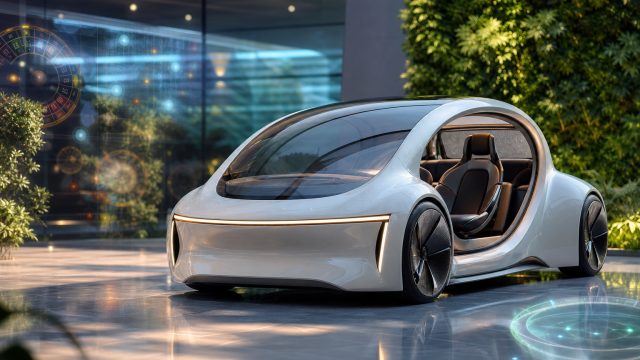
The automotive industry is undergoing a pivotal transformation, with manufacturers striving to create vehicles that not only meet consumer demands but also prioritize the planet's health. Jaguar Land Rover (JLR) is at the forefront of this movement with its recent development of a unique circular concept car. This innovative vehicle is designed to significantly reduce carbon emissions and promote sustainability within the automotive sector, a topic that has never been more relevant than today.
The Urgency of Sustainability in Automotive Development
As climate change continues to pose serious threats to ecosystems worldwide, the automotive industry finds itself under increasing pressure to adopt sustainable practices. JLR's circular concept car is not just an experiment; it's a commitment to leading the way towards greener mobility solutions. With global regulations tightening around vehicle emissions and consumers becoming more environmentally conscious, the timing of this project is critical.
JLR's Vision for a Sustainable Future
- Environmental Responsibility: JLR aims to integrate sustainable materials and recycling processes into their vehicle production.
- Carbon Reduction: The circular concept car focuses on minimizing the carbon footprint associated with driving.
- Collaboration for Innovation: Partnering with suppliers, JLR is innovating to bring advanced sustainable solutions into the mainstream.
Features of the Circular Concept Car
This new concept vehicle showcases several groundbreaking features aimed at enhancing sustainability. The following aspects highlight its innovative design:
1. Materials and Design
The circular concept car incorporates materials that are not only lightweight but also recyclable. This approach reduces the vehicle's overall weight, improving fuel efficiency and decreasing emissions.
2. Energy Efficiency
Equipped with advanced energy management systems, JLR's concept car optimizes power usage, extending the vehicle's range and reducing energy consumption. Features include:
- Regenerative braking systems that capture energy during deceleration.
- Smart energy distribution to enhance battery life and efficiency.
- Integration of solar panels to provide supplemental energy, contributing to greater self-sufficiency.
3. Advanced Recycling Methods
The concept car emphasizes the importance of the circular economy in its lifecycle. JLR is exploring innovative recycling methods to ensure that materials can be reused efficiently, paving the way for future vehicles:
- Closed-loop recycling processes to reclaim valuable materials.
- Partnerships with organizations specializing in sustainable material development.
The Role of Collaboration in Innovation
JLR recognizes that the journey towards sustainability is a collaborative effort. By working closely with suppliers and industry experts, the company can develop technologies and practices that significantly reduce carbon emissions. This partnership model not only enhances innovation but also sets a standard for accountability across the automotive industry.
Why This Matters Now
The urgency of environmental challenges cannot be overstated. As consumers become more aware of the ecological impact of their choices, they increasingly demand sustainable options. JLR's initiative in developing a circular concept car directly addresses this demand, offering a glimpse into the future of responsible automotive manufacturing.
Conclusion: A Step Towards a Sustainable Automotive Future
JLR's circular concept car is more than just a prototype; it represents a transformative approach to automotive design and manufacturing. As the industry shifts towards sustainability, initiatives like this are crucial in helping to mitigate the effects of climate change and promote a healthier planet. The potential to revolutionize how vehicles are produced and operated is immense, making this an exciting time for the automotive industry. As consumers, we must support and advocate for such innovations that prioritize our planet's future.
