
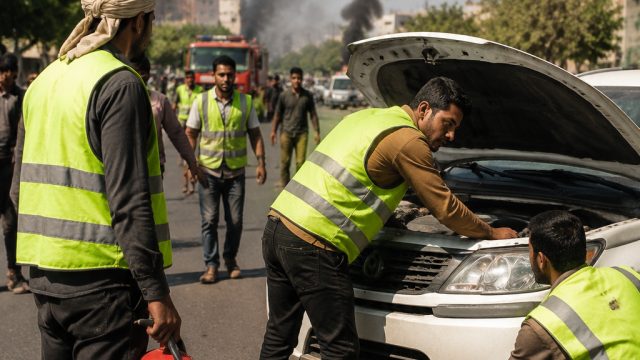
In a significant show of unity and readiness, thousands of residents gathered in the capital city of Sanaa on Wednesday, responding to a call by Sayyed Abdul-Malik al-Houthi, the leader of Yemen’s Ansarullah movement. This unprecedented mobilization reflects not just a collective response to rising regional tensions but also the community's commitment to stand together in the face of adversity.
Understanding the Context of the Mobilization
The recent rally comes at a time when the social and political landscape in Yemen is increasingly complex. As various factions vie for power, the residents of Sanaa are making it clear that they are prepared to support their leadership and defend their rights. The mobilization serves as a critical reminder of how communities can come together to address perceived threats.
Community Engagement and Support
The turnout in Sanaa was not only a display of readiness but also a testament to the strong community bonds within the city. The residents' willingness to gather en masse underscores their commitment to the causes championed by their leaders.
- Encouragement of civic participation
- Strengthening ties within neighborhoods
- Promoting a unified front against external challenges
The Role of Leadership in Mobilization
Leadership plays a crucial role in any community mobilization. Sayyed Abdul-Malik al-Houthi's call to action resonates with many in Yemen, emphasizing the need for solidarity and resilience. His leadership style, characterized by a focus on community engagement, has been instrumental in galvanizing public support.
The Dynamics of Political Messaging
Political messaging during times of crisis can significantly impact public sentiment. Al-Houthi's approach has effectively utilized traditional and social media channels to convey messages about the importance of unity and preparedness among Yemenis. Understanding the nuances of such messaging can provide insights into how communities react under pressure.
Implications for the Future
As tensions continue to rise, the implications of this mobilization extend beyond immediate responses. It raises questions about future governance, community resilience, and how residents of Sanaa will navigate potential crises.
Preparedness Strategies Moving Forward
In light of these developments, several strategies can be adopted by the community to maintain readiness:
- Increasing civic education on rights and responsibilities
- Encouraging dialogue between different community factions
- Implementing regular community drills and preparedness activities
Conclusion: The Importance of Community Solidarity
The recent mobilization in Sanaa is a powerful reminder of the strength found in community solidarity. As Yemen faces ongoing challenges, it becomes increasingly vital for residents to remain engaged and prepared. The actions taken today will shape the region's future, and the commitment displayed by the people of Sanaa serves as an inspiring example for other communities. Staying informed and involved not only fosters resilience but also cultivates a sense of shared purpose among the people, paving the way for a more united front in overcoming challenges ahead.
