
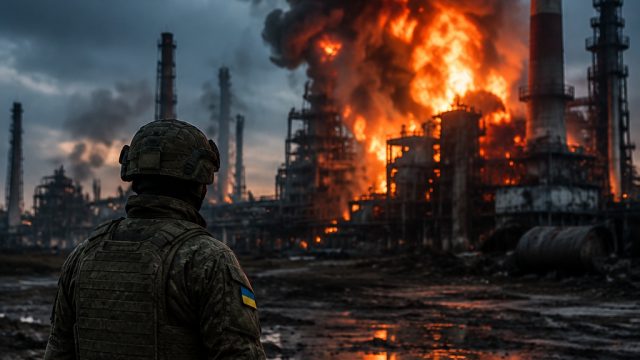
In a significant escalation of the ongoing conflict, Ukraine has launched an array of long-range strikes against key Russian energy facilities. This recent offensive not only targets critical infrastructure but also aims to undermine Russia's military capabilities, raising the stakes in an already volatile situation. The ramifications of these actions are profound, influencing both the energy landscape and the broader geopolitical dynamics.
The Target: A Critical Natural Gas Plant
One of the primary targets of Ukraine's latest military endeavors has been a major natural gas processing plant in Russia. The facility, which plays a vital role in supplying energy not only to Russian industries but also to European markets, has sustained significant damage. This attack highlights Ukraine's strategic approach, focusing on crippling Russia's energy resources that are essential for sustaining its military operations.
Why Energy Infrastructure Matters
- Economic Impact: Disabling energy production can lead to substantial economic repercussions for Russia, particularly in its ability to fund the ongoing war.
- Military Disruption: A diminished energy supply affects fuel availability for military operations, compounding logistical challenges for Russian forces.
- Global Energy Market Effects: Any disruption in Russian energy exports can cause fluctuations in global energy prices, impacting economies worldwide.
UAV Technology: The New Frontier in Warfare
Ukraine's reliance on drones in this conflict has reached new heights. The use of unmanned aerial vehicles (UAVs) for precise targeting demonstrates a shift in modern warfare tactics. By employing sophisticated drone technology, Ukraine is redefining combat strategies and challenging conventional military engagements.
The Role of Drones in Military Strategy
Drones offer several tactical advantages that enhance Ukraine's capabilities:
- Precision Strikes: Drones allow for highly accurate strikes with minimal collateral damage, targeting only essential infrastructure.
- Real-Time Intelligence: UAVs can gather crucial intelligence that informs tactical decisions, improving overall operation efficacy.
- Cost-Effectiveness: Compared to traditional military hardware, drones are often less expensive to operate and maintain, allowing for more frequent use.
Geopolitical Repercussions of Ukraine's Offensive
The recent strikes on Russian energy facilities are not just military actions; they are also laden with geopolitical significance. As Ukraine continues to challenge Russian dominance in the region, the international community is closely watching the developments.
International Response and Support
As Ukraine raises the stakes, countries around the globe are reevaluating their support strategies:
- Increased Military Aid: Many Western nations are ramping up military assistance to Ukraine, recognizing the need to counter Russian aggression.
- Sanctions on Russia: The attacks on energy infrastructure may lead to renewed discussions on sanctions aimed at crippling Russia's economy further.
- Energy Security Concerns: European nations, reliant on Russian gas, are exploring alternative energy sources to ensure stability amidst the conflict.
Conclusion: The Ongoing Conflict and Its Global Implications
Ukraine's long-range strikes signify a tactical evolution in the ongoing conflict with Russia. By targeting critical energy infrastructure and employing advanced drone technology, Ukraine is not only reshaping the battlefield but also posing significant challenges to Russia's military logistics and economic stability. As the situation develops, the global community must remain vigilant and responsive to the implications of this conflict, which extends far beyond borders and affects energy security worldwide.
