
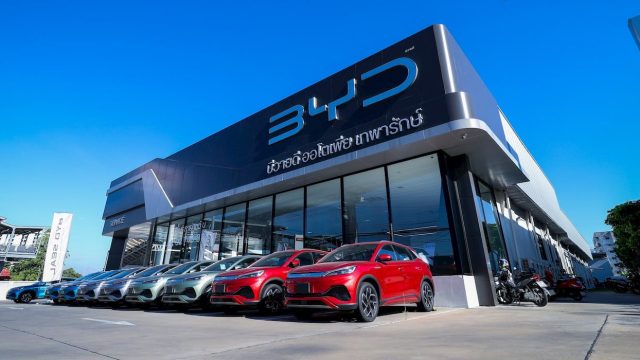
As the global automotive market continues to evolve, China's electric vehicle (EV) exports are taking center stage, particularly in Southeast Asia. This surge not only showcases China's manufacturing capabilities but also highlights a significant shift in consumer preferences throughout the region. With the demand for eco-friendly transportation rising rapidly, the implications of this trend are profound for both local markets and global automotive dynamics.
The Rise of Chinese EV Exports
Recent statistics reveal a striking pattern in China's automotive export sector, marked by an unprecedented increase in electric vehicle shipments. In the first half of 2023, China exported over 1.2 million EVs, a figure that underscores the country’s ambition to dominate the global market. This growth is fueled by various factors, including government incentives, improved technology, and favorable consumer attitudes towards electric mobility.
Government Support and Policy Incentives
China's government has played a pivotal role in enhancing the competitiveness of its EV industry through supportive policies and incentives. These measures include:
- Subsidies for manufacturers to lower production costs.
- Tax breaks for consumers purchasing electric vehicles.
- Investment in charging infrastructure to ease range anxiety.
Such initiatives not only bolster domestic production but also make Chinese EVs a more attractive option for international buyers, especially in rapidly developing economies like those in Southeast Asia.
Shifting Landscape in Southeast Asia
As Southeast Asia embraces electric vehicles, the region is becoming a new battleground for automakers. Countries like Indonesia, Thailand, and Vietnam are ramping up their efforts to promote electric mobility, motivated by the potential economic and environmental benefits. This shift is particularly relevant in light of global climate goals and rising fuel prices.
Consumer Adoption and Preferences
Consumer attitudes in Southeast Asia are changing as awareness of environmental issues increases. Here are key drivers of this shift:
- Growing interest in sustainable transportation options.
- Enhanced availability of affordable electric models from Chinese manufacturers.
- Government campaigns promoting green technologies.
The combination of these factors is leading to a marked increase in EV sales, with many local consumers opting for electric models over traditional combustion-engine vehicles.
The Competitive Edge of Chinese EV Brands
Chinese EV brands such as BYD, NIO, and Xpeng are setting themselves apart in the competitive landscape through innovation and affordability. Their vehicles often come equipped with cutting-edge technology and user-friendly features, making them appealing to tech-savvy consumers.
Technology and Features
One aspect where Chinese EVs excel is technology integration. Many models boast features that enhance the driving experience, including:
- Advanced driver-assistance systems (ADAS).
- Intelligent infotainment systems.
- Innovative battery technology for extended range.
This emphasis on technology not only makes Chinese EVs attractive but also positions them as viable alternatives to established Western brands.
Challenges and Opportunities Ahead
While the prospects for Chinese EV exports in Southeast Asia are bright, challenges remain. Issues such as potential trade barriers, local competition, and varying regulations across countries can impact market penetration. However, these challenges also present opportunities for collaboration and innovation.
Collaboration and Partnerships
To navigate these challenges, Chinese manufacturers are increasingly looking to form partnerships with local firms. Such collaborations can lead to:
- Shared knowledge and resources.
- Localized production to meet specific market needs.
- Better adaptation to regulatory environments.
By working together, Chinese companies and local players can enhance their competitiveness and foster the growth of the electric vehicle market in Southeast Asia.
Conclusion: A New Era for Automotive in Southeast Asia
The rise of Chinese electric vehicles marks a significant turning point in the Southeast Asian automotive landscape. As the demand for cleaner, more efficient modes of transport continues to grow, the collaboration between Chinese manufacturers and Southeast Asian markets is likely to flourish. This shift not only promises environmental benefits but also economic opportunities, paving the way for a sustainable automotive future in the region. As consumers increasingly opt for electric vehicles, it’s clear that the automotive industry is entering a new era, with China at the forefront.
