
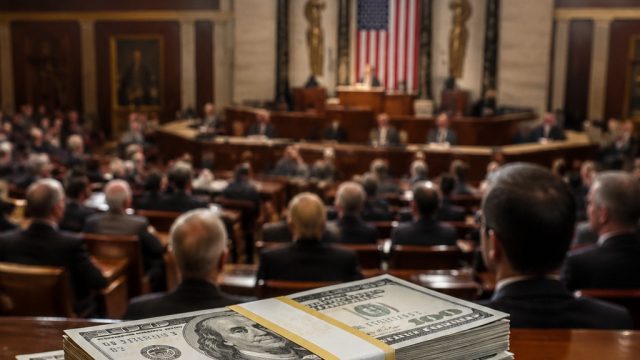
In a significant turn of events, the U.S. government has put forth a request for an additional $87.6 billion in emergency spending, primarily targeting the ongoing conflicts and emergent needs across various sectors. This substantial funding proposal has sparked discussions and debates regarding its potential implications for both domestic and international affairs, especially in light of the ongoing tensions in the Middle East and agricultural challenges at home.
Understanding the Breakdown of the Funding Request
The proposed spending covers various critical areas, with a hefty portion allocated to military operations. Notably, the Pentagon has indicated the financial burden of the conflict with Iran could reach around $29 billion. However, analysts warn that this estimate falls short of the actual costs, which could spiral closer to $200 billion over time.
Military Operations and National Security
- Strategic military funding: A large portion of the requested funds will directly support military operations aimed at stabilizing the region and countering threats.
- Humanitarian assistance: Some funds are earmarked for humanitarian efforts, aiming to provide relief in conflict-ridden areas.
- Long-term implications: Continuous military funding raises questions about the long-term strategies the U.S. is employing in its foreign policy.
The Domestic Angle: Farm Aid and Economic Support
In addition to military funding, the spending request also addresses domestic challenges, particularly in agriculture. Farmers across the nation are facing significant difficulties due to fluctuating markets and climate-related issues.
Emergency Aid for Farmers
- Direct assistance: A portion of the funds aims to provide direct monetary assistance to farmers struggling to sustain their livelihoods.
- Support for infrastructure: Investments in agricultural infrastructure are crucial to bolster resilience against future market fluctuations and natural disasters.
- Community impact: The availability of funds will support local economies reliant on agriculture, ensuring they remain stable during challenging times.
What This Means for Global Politics and U.S. Alliances
This unprecedented funding request is poised to affect not only domestic policies but also the U.S.'s standing on the global stage. As tensions escalate in various regions, the implications of this financial allocation resonate through diplomatic channels and alliances.
Repercussions on International Relations
- Influence in the Middle East: Increased spending on military operations in Iran could alter the balance of power in the region.
- Allied relationships: The funding may strengthen ties with allies who are aligned with U.S. interests but could also create friction with nations opposed to U.S. intervention.
- Global economic impact: The allocation of funds towards military and agricultural support may have broader economic ramifications, affecting global markets.
Conclusion: A Step Towards Strategic Stability?
The U.S. government's request for $87.6 billion in supplemental funding is a pivotal moment that signals the nation's commitment to addressing both military and agricultural challenges. As this proposal moves through Congress, its eventual approval could pave the way for significant changes in both domestic and international landscapes.
With the world watching closely, the outcomes of this funding request could define U.S. foreign and domestic policy for years to come, highlighting the intertwining of global dynamics and local stability in an increasingly interconnected world.
