
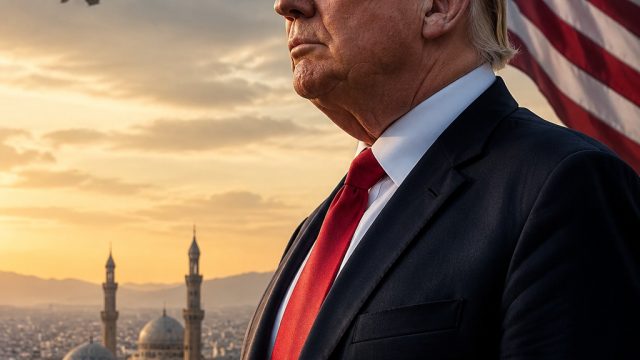
In recent months, a noticeable transformation has emerged within the Republican Party regarding its stance on Iran. Under the leadership of former President Donald Trump, members of the GOP are beginning to rethink their previously staunch opposition to the Iranian regime. This shift could have significant implications for U.S. foreign policy and peace negotiations in the Middle East.
Understanding the New GOP Narrative on Iran
Historically, the Republican Party has portrayed the Iranian government in a negative light, often emphasizing its role in global terrorism and regional instability. However, recent developments suggest a growing willingness among GOP leaders to explore diplomatic avenues with Tehran. This change is not solely attributable to Trump but reflects a broader trend within the party.
Factors Contributing to the Shift
- Changing Global Dynamics: The geopolitical landscape has shifted significantly, with new threats emerging that require a re-evaluation of traditional foreign policy approaches.
- Focus on Peace: There is an increasing appetite for peace deals rather than confrontational policies. This shift aligns with a global movement towards diplomatic resolutions.
- Influence of Former Officials: Trump’s former advisors and officials are advocating for a more nuanced approach, encouraging dialogue instead of hostility.
The Role of Diplomacy in U.S.-Iran Relations
Engagement with Iran is not without its challenges. However, proponents within the GOP argue that a diplomatic approach could lead to potential breakthroughs in negotiations. This perspective is crucial in light of ongoing tensions and the need for stability in the region.
Recent Initiatives and Proposals
In recent discussions, several GOP lawmakers have proposed initiatives that emphasize diplomatic engagement:
- Backchannel Communications: Utilizing unofficial channels to foster understanding and reduce hostilities.
- Trade Agreements: Exploring potential economic partnerships that could incentivize cooperative behavior from Iran.
- Joint Security Measures: Collaborating with allies to enhance regional security while maintaining open lines of communication with Iranian officials.
Implications for Future U.S. Foreign Policy
The evolving Republican stance on Iran may lead to a significant shift in U.S. foreign policy. As the party reconciles its past views with current realities, we may witness a new approach that prioritizes strategic engagement over isolation.
What This Means for American Voters
For American citizens, particularly those concerned about international relations, this shift could foster a sense of optimism regarding potential peace in the Middle East. Voters may increasingly support candidates who advocate for dialogue rather than aggression, influencing future electoral outcomes.
Challenges Ahead: Navigating Internal Party Dynamics
Despite this positive outlook, internal divisions within the Republican Party pose challenges. Hardliners who prefer aggressive posturing may resist these changes, creating a rift that could impact party unity.
Addressing Concerns and Misconceptions
- Assessing Risks: While some fear that engagement may embolden the Iranian regime, supporters argue that dialogue is essential to mitigating risks.
- Clarifying Goals: It is vital for GOP leaders to clearly articulate their objectives and strategies regarding Iran to reassure constituents.
Conclusion: A New Chapter in GOP-Iran Relations
The Republican Party's evolving perspective on Iran under Trump’s leadership marks an important turning point in U.S. foreign policy. As the party grapples with its identity and the implications of a more diplomatic approach, American voters will be closely watching these developments. With the potential for new peace initiatives on the horizon, the future of U.S.-Iran relations may very well depend on the GOP's ability to embrace change and prioritize constructive dialogue over conflict.
