
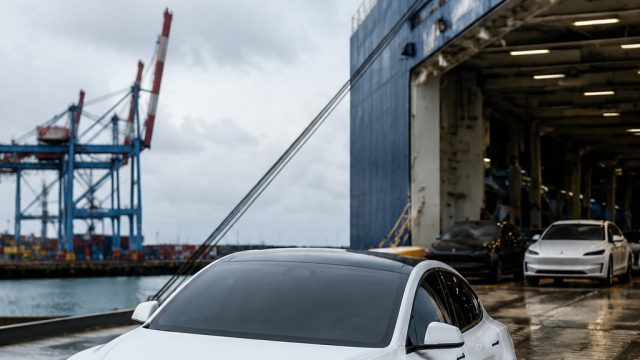
The Impact of Electric Vehicles on Car Shipping Dynamics
The automotive landscape is undergoing a significant transformation, particularly with the increasing adoption of electric vehicles (EVs). This shift not only influences how cars are manufactured and sold but also how they are transported. As electric vehicles become more prevalent, the car shipping industry must adapt to new challenges and opportunities that come with this evolution.
Understanding the Shift Towards Electric Vehicles
Electric vehicles are no longer a novelty but a critical component of the global automotive market. With governments worldwide pushing for greener alternatives and consumers increasingly opting for sustainable solutions, the growth of EVs is undeniable. According to recent reports, electric vehicle sales are projected to reach unprecedented levels in the coming years, reshaping not just consumer preferences but also the supply chain associated with vehicle transportation.
The Rise of Electric Vehicles
The push for electric vehicles has sparked a revolution in the automotive industry.
- Government incentives for EV purchases are driving consumer interest.
- Innovations in battery technology are improving vehicle range and performance.
- Major automotive companies are investing heavily in electric vehicle production.
How Electric Vehicles Affect the Car Shipping Process
The transportation of electric vehicles is different from traditional gasoline-powered cars. This section explores how car shipping companies are adapting to these changes.
Specialized Transport Solutions
Shipping electric vehicles requires specialized handling due to their unique components.
- Battery Safety: The lithium-ion batteries in EVs pose specific safety concerns during transport. Shipping companies must comply with regulations governing the transport of hazardous materials.
- Charging Infrastructure: Some transport methods are equipped with charging capabilities to ensure that the vehicles arrive fully powered.
- Weight Considerations: The heavier weight of EVs can affect transport logistics, requiring adjustments in vehicle load capacities.
Insurance and Liability Challenges
As the car shipping industry adapts to the rise of electric vehicles, insurance and liability frameworks must also evolve.
- Insurers need to understand the specific risks associated with EV transportation.
- Car shipping companies may face higher premiums due to the costs associated with battery damage or fire risks.
Future Trends in the Car Shipping Industry
With the continual rise of electric vehicles, several trends are emerging within the car shipping sector.
Increased Demand for Eco-Friendly Shipping Options
As consumers prioritize sustainability, there is a growing demand for eco-friendly shipping methods.
- Companies may invest in electric or hybrid transport vehicles for shipping.
- Logistics firms are exploring routes and methods that reduce carbon footprints.
Technological Innovations
The integration of technology in the shipping process will also play a key role in the future of car transportation.
- Real-time tracking systems will improve transparency and customer satisfaction.
- Automation and AI could streamline logistics and reduce operational costs.
Conclusion: Embracing Change in Car Shipping
The transition to electric vehicles is not just a trend but a fundamental shift that will reshape the car shipping industry. As automakers ramp up production of EVs, shipping companies must adapt to new regulations, safety protocols, and consumer expectations. Embracing these changes now will position stakeholders for long-term success in a rapidly evolving market. Understanding the implications of this shift will be crucial for anyone involved in automotive care and service as we navigate this electric future.
