
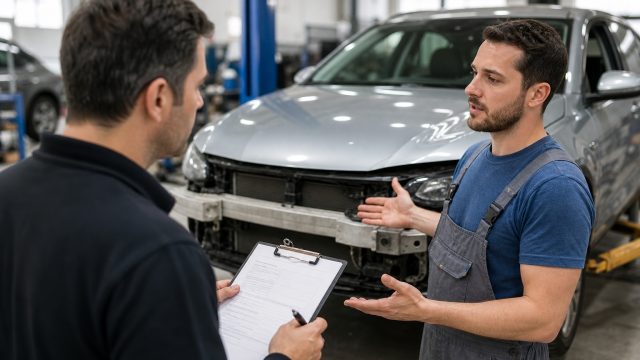
Understanding Collision Repair Timelines: What Affects Your Wait?
When your vehicle is involved in an accident, the aftermath can be overwhelming, particularly when it comes to understanding how long repairs will take. Factors like the extent of the damage, availability of parts, and even the shop's workload can significantly influence the timeline for completion. In this article, we will explore the various elements that can affect collision repair timelines and why it is crucial to comprehend these variables.
The Impact of Damage Severity
One of the most significant factors affecting the repair timeline is the extent of the damage sustained by the vehicle. If your car has minor dings and scratches, the repair process can be relatively swift. However, in cases of major structural damage, such as frame alignment issues or extensive bodywork, the timeline can extend significantly.
Types of Damage and Their Repair Times
- Minor Damage: Dents and scratches can often be repaired within a day or two.
- Moderate Damage: Repairs that require parts replacement may take several days to a week.
- Severe Damage: Significant repairs that involve structural work can take weeks or even months, depending on the severity.
The Role of Parts Availability
Another critical aspect that can delay collision repairs is the availability of replacement parts. In some instances, specialty parts must be ordered from manufacturers, which can lead to increased waiting times. The ongoing supply chain issues that many industries face, especially in the wake of recent global events, have further complicated matters.
Strategies to Mitigate Delays
- Pre-Approved Parts: Some repair shops work with approved suppliers to expedite the process.
- Used Parts: For older models, using gently used parts can sometimes speed up repairs.
- Inventory Management: Shops with a robust inventory can reduce wait times for common parts.
The Repair Shop's Workload
The number of vehicles a collision repair shop is handling at any given time can also impact how quickly they can complete your repairs. During peak seasons, such as after major holidays or in areas with high accident rates, shops may be overwhelmed with workloads, leading to longer repair times.
Choosing the Right Repair Shop
When selecting a repair shop, consider not only their reputation for quality but also their average turnaround times. Shops that prioritize customer service and clear communication can help alleviate concerns regarding repair timelines.
Communication is Key
Regular updates from your auto body shop are crucial for keeping you informed about the status of your repairs. Many shops utilize technology to provide customers with real-time updates, ensuring you are never left in the dark about when your vehicle will be ready. Asking for a timeline upfront can help set realistic expectations and facilitate a smoother process.
What to Expect During Repairs
- Initial Assessment: Expect an initial estimate of repair time after the damage is assessed.
- Repair Process: Be aware that unforeseen issues may arise, leading to changes in the timeline.
- Final Review: A thorough inspection before you take your car home is essential.
Conclusion
Understanding the factors that influence collision repair timelines can help you navigate the often frustrating experience of getting your vehicle back on the road. From the type of damage to parts availability and the workload of the repair shop, these elements play a critical role in determining how long your repair will take. By choosing a reputable shop and maintaining open lines of communication, you can ease the stress and uncertainty that often accompanies auto repairs. Stay informed, and you will be better prepared to handle any collision repair situation that comes your way.
