
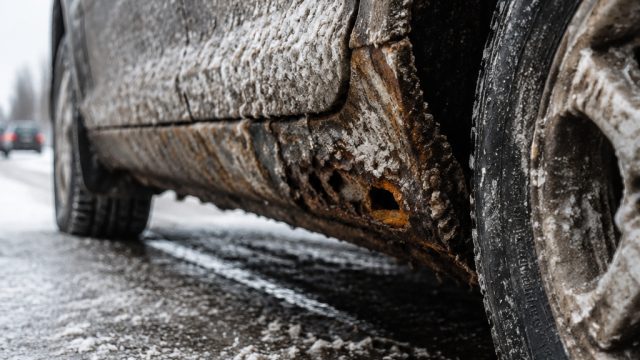
As winter approaches, many drivers prepare for the challenges of icy roads and adverse weather conditions. However, what often goes unnoticed is the long-term impact of road salt on commercial vehicles. New insights into the effects of salt exposure reveal alarming facts that every vehicle owner should consider. This article delves into the hidden costs associated with road salt and offers practical advice on how to mitigate damage and extend your vehicle's lifespan.
The Role of Road Salt in Winter Safety
Road salt, primarily made from sodium chloride, plays a crucial role in enhancing traction on icy roads. While it is essential for safety, its corrosive nature can lead to significant damage for vehicles that are often on the road during winter months. According to recent studies, vehicles that are frequently exposed to road salt show signs of corrosion much earlier than those that are protected or cleaned regularly.
Impact on Vehicle Components
Commercial vehicles, including trucks and vans, are particularly susceptible to the effects of road salt. The exposure can lead to corrosion of critical components:
- Chassis and Frame: Prolonged exposure to salt can create rust, weakening the structure of a vehicle.
- Brake Systems: Corrosion can lead to brake failure, posing serious safety risks.
- Electrical Systems: Salt can cause short circuits in electrical wiring, leading to malfunctioning systems.
Statistics Highlighting the Issue
Researchers estimate that up to 80% of commercial vehicles operating in salt-prone areas show signs of rust within the first five years of use. This can result in expensive repairs and reduced resale value, making it essential for fleet operators and personal vehicle owners alike to implement preventive measures.
Preventive Measures to Protect Your Vehicle
Preventing damage from road salt is crucial, especially for those who rely on their vehicles for work or daily tasks. Here are some effective strategies:
- Regular Washing: Keeping your vehicle clean is the best defense. Aim to wash your vehicle at least once a month during winter, focusing on the undercarriage where salt accumulates.
- Applying Protective Coatings: Invest in underbody sealants that create a barrier against moisture and salt.
- Routine Inspections: Regular checks for rust and corrosion can help detect problems early before they escalate.
The Importance of Education and Awareness
By understanding the risks associated with road salt, vehicle owners can take proactive steps to protect their investments. Fleet managers and companies that rely on their vehicles for revenue must educate their teams about the importance of maintenance and the long-term benefits of investing in corrosion prevention strategies.
Conclusion
As the weather turns colder, the use of road salt becomes more prevalent. While it serves an essential purpose in keeping our roads safe, the hidden costs associated with its use can severely impact vehicle longevity. By implementing effective maintenance strategies and raising awareness about the dangers of corrosion, vehicle owners can protect themselves against the significant costs of repairs and replacements down the line. Remember, a little effort now can lead to a prolonged vehicle lifespan and enhanced safety on the roads.
