
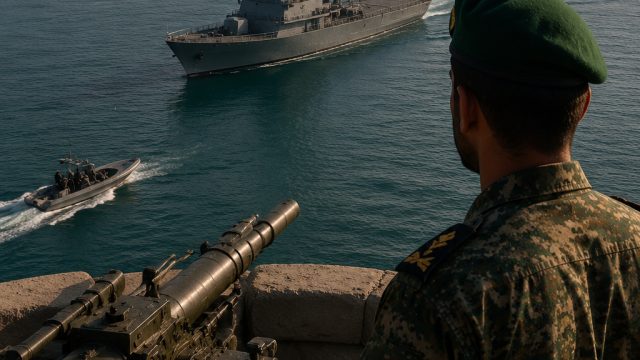
The Strait of Hormuz, a critical chokepoint for global oil shipments, has recently become a focal point of geopolitical tension as Iran asserts its control over this vital waterway. With oil prices fluctuating and shipping routes facing increasing uncertainty, it's essential to understand why these developments matter now more than ever.
Iran's Control and International Implications
In recent weeks, reports have surfaced regarding Iran's declaration to maintain control over the Strait of Hormuz. This announcement, coupled with a halt in shipping activities in the region, highlights a strategic maneuver that could have significant repercussions for international oil markets. Iran's Tasnim news agency has indicated that the strait will remain closed until certain geopolitical conditions are met, including a ceasefire in Lebanon.
The Importance of the Strait of Hormuz
The strait is known as the world's most crucial oil transit route, facilitating approximately one-fifth of global oil supply. Disruptions here can lead to steep price hikes for crude oil, impacting economies worldwide. Analysts warn that Iran's persistent focus on asserting control over this area is not just a regional concern but a global one, given the strait's role in the international energy market.
- Approximately 20% of the world’s oil passes through the Strait of Hormuz.
- Any military confrontation could escalate tensions significantly.
- Negotiations around ceasefires and international agreements are ongoing.
Current Shipping Dynamics
The recent declaration from Iran has already resulted in significant delays and cancellations of shipping operations in the strait. This impacts not only oil tankers but also other vessels traversing this critical route. Shipping companies are being forced to reroute, resulting in longer transit times and increased costs.
Market Reactions and Future Forecasts
Market analysts are closely monitoring the situation. The fluctuations in oil prices are a direct response to these developments, with traders reacting to news regarding potential disruptions. As uncertainty looms, companies involved in shipping and oil production are bracing for possible economic impacts. This situation emphasizes the necessity for businesses and governments to prepare and adapt to rapidly changing conditions.
Geopolitical Tensions and Future Scenarios
The tensions in the Strait of Hormuz are not merely logistics-related; they are deeply intertwined with broader geopolitical conflicts in the Middle East. With ongoing strife in Lebanon and other neighboring regions, the security of maritime routes is increasingly at risk. The Iranian Parliament Speaker has remarked that Iran will actively manage the strait, indicating a firm approach towards its maritime interests.
Potential Outcomes
Several scenarios could unfold in response to Iran's assertive stance:
- Increased Military Presence: Countries reliant on the strait may increase their naval presence to ensure safe passage.
- Diplomatic Efforts: Heightened diplomatic negotiations may seek to de-escalate tensions and secure maritime routes.
- Economic Fallout: Continued disruptions could lead to significant economic consequences globally, affecting oil prices and supply chains.
Conclusion: Staying Vigilant in an Uncertain Landscape
The situation in the Strait of Hormuz serves as a reminder of the fragility of global trade routes and the complex interplay of geopolitical interests. As Iran continues to assert its control, stakeholders from various sectors must stay vigilant and prepare for potential disruptions. Understanding the dynamics at play is crucial for navigating the challenges ahead in this unpredictable landscape.
