
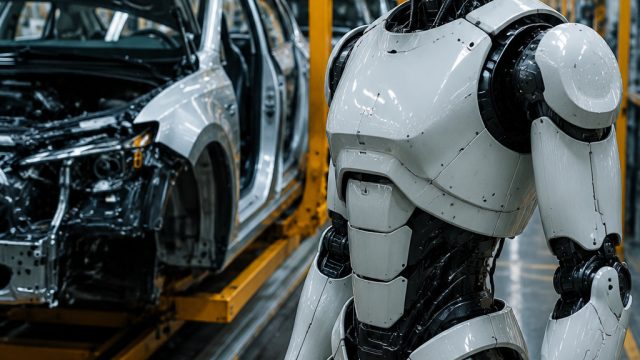
As technology advances rapidly, the automotive industry is witnessing a transformative trend: the integration of humanoid robotics. This evolution is not just a futuristic concept; it has real implications for the way cars are manufactured, maintained, and even driven. With companies racing to adopt these innovations, understanding their impact is crucial for industry stakeholders and consumers alike.
The Current Landscape of Automotive Technology
The automotive sector has always been at the forefront of technology, from the introduction of assembly lines to the implementation of advanced robotics in manufacturing. Today, we are entering an era where humanoids are becoming a pivotal part of this ecosystem. These machines can perform tasks that were once thought impossible for robots, such as intricate assembly work, quality control, and even customer service roles in dealerships.
Why Humanoids Matter Now
As global supply chains face disruptions and labor shortages continue to plague various industries, the urgency to integrate humanoid robotics into automotive operations has never been greater. Companies are realizing that investing in humanoids can lead to enhanced productivity, reduced operational costs, and improved safety standards.
Humanoid Robotics in Automotive Manufacturing
In manufacturing plants, humanoid robots are capable of working alongside human workers, taking on repetitive tasks that require precision. This collaboration not only increases efficiency but also allows human workers to focus on more complex problem-solving tasks. Several leading automotive brands are already piloting humanoid technologies in their factories, showcasing how this innovation could redefine production lines.
Real-World Examples
- Company A: Implemented humanoid assistants to streamline assembly processes, resulting in a 20% increase in productivity.
- Company B: Utilized humanoids for quality inspections, achieving higher accuracy rates than traditional methods.
- Company C: Integrated humanoid customer service representatives in showrooms, enhancing the buying experience.
The Consumer Experience Redefined
Beyond manufacturing, humanoids are poised to transform the consumer experience in the automotive sector. From interactive showrooms to virtual test drives, humanoid technology can provide a personalized touch that enhances customer engagement. As brands strive to create memorable experiences, the role of humanoid robots will become increasingly significant.
Innovative Applications
Some innovative applications of humanoids in consumer interactions include:
- Virtual Assistance: Providing real-time information and support to potential buyers.
- Test Drives: Offering virtual experiences that simulate driving different models.
- Education: Explaining complex features and maintenance tips to new car owners.
Challenges and Considerations
While the prospects of integrating humanoids into the automotive sector are exciting, challenges remain. Concerns regarding job displacement, ethical considerations in robotics, and the need for substantial initial investments are paramount. Industry leaders must address these issues to ensure a smooth transition into this new technological era.
Addressing Workforce Concerns
One major worry among workers is the fear of job loss. However, experts argue that humanoids are designed to complement human labor rather than replace it. Upskilling workers to focus on more specialized roles will be essential to leverage the advantages that humanoids bring. Education and training programs will play a vital role in easing this transition.
Looking Ahead: The Future of Automotive Humanoids
As we look to the future, the automotive industry is set to embrace humanoid technology more fully. This shift is not a matter of if, but when. With the global market becoming increasingly competitive, companies that adopt humanoid robotics early on will likely gain a significant advantage. The integration of these technologies will not only reshape manufacturing practices but also redefine the consumer experience in the automotive world.
Conclusion
In summary, the rise of humanoids in the automotive sector is an exciting development that promises to reshape the industry landscape. As technology evolves, businesses must adapt to remain relevant and competitive. By acknowledging both the potential benefits and challenges, stakeholders can pave the way for a successful integration of humanoid robotics into the automotive future.
