
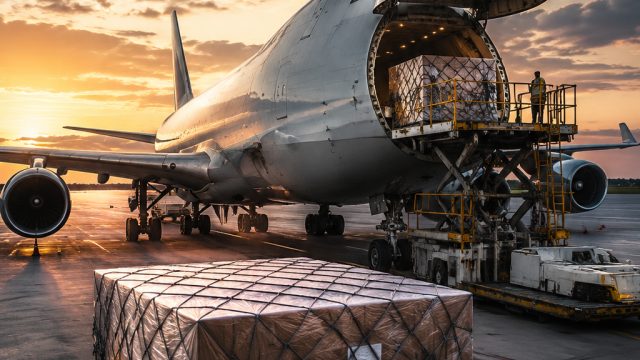
In today's fast-paced global economy, air cargo hubs are becoming pivotal in transforming supply chains. With the increasing demand for rapid delivery and efficiency, these hubs are not just operational centers; they are vital components driving business success. Understanding their role is crucial now more than ever.
The Rise of Air Cargo Hubs
The emergence of logistics hubs has significantly altered traditional supply chains. Air cargo hubs, strategically located around the world, facilitate the swift movement of goods across borders and continents, enabling businesses to respond quickly to market demands.
What Makes Air Cargo Hubs Essential?
- Speed of Delivery: With advancements in technology and logistics, air freight provides one of the fastest methods of transporting goods.
- Cost Efficiency: Optimized routing and consolidation of shipments help reduce overall transportation costs.
- Global Reach: These hubs connect markets globally, allowing businesses to access new regions and customers.
Key Players in the Air Cargo Sector
Several airports have emerged as dominant players in the air cargo sector, each contributing unique advantages to supply chains worldwide. Let's take a closer look at some of the busiest cargo hubs around the globe.
Top Air Cargo Hubs
- Hong Kong International Airport (HKG): Known for its state-of-the-art facilities, HKG leads in cargo volume, handling over 5 million tons annually.
- Memphis International Airport (MEM): Home to FedEx's global hub, MEM emphasizes efficiency and expedited services.
- Shanghai Pudong International Airport (PVG): A critical hub for trade in Asia, PVG has expanded its capacity to keep pace with growing demand.
- Dubai International Airport (DXB): Facilitating connections between Europe, Asia, and Africa, DXB is key for international logistics.
- Incheon International Airport (ICN): This hub is rapidly enhancing its facilities to meet the needs of an evolving supply chain landscape.
The Future of Air Cargo Logistics
As we look ahead, the role of air cargo hubs in supply chain management is set to grow. The demand for faster and more reliable shipping solutions means that these hubs must continuously adapt.
Innovative Technologies Driving Change
Technological advancements are reshaping how air cargo operations are conducted. Automation, AI, and real-time tracking systems are just a few innovations revolutionizing the industry.
- Automation: Many facilities are integrating automated solutions to streamline cargo handling and sorting.
- Real-Time Data: Enhanced visibility allows companies to monitor shipments and address potential delays proactively.
- Environmental Sustainability: It's imperative for air cargo hubs to implement greener practices to reduce their carbon footprint.
Impacts on Global Trade
The transformation of air cargo hubs is critically impacting global trade dynamics. Businesses that leverage these hubs effectively can gain a competitive edge, reaching their customers faster and more reliably. In an era where speed and efficiency define success, understanding these trends is essential.
Conclusion: Why This Matters Now
With the logistics landscape evolving rapidly, the importance of air cargo hubs in supply chains cannot be overstated. Companies must stay ahead of these trends to thrive in the modern marketplace. As businesses increasingly rely on air freight for their logistics needs, the optimization and expansion of air cargo operations will significantly influence their success.
As we continue to navigate these changes, it will be crucial for organizations to align their strategies with the capabilities provided by these vital global air cargo hubs.
