
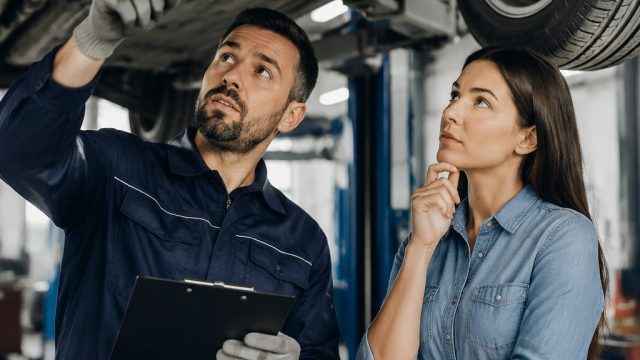
In an era where vehicle technology is advancing rapidly, the need for consumer safety in automotive repairs has never been more critical. Recently, the Automotive Association of Service Providers of New Jersey (AASP/NJ) convened with state officials to discuss essential improvements in repair standards. This meeting underscores the association's commitment to advocating for safer automotive practices that protect consumers and enhance overall service quality.
The Importance of Advocacy in Automotive Repairs
Consumer safety must be a priority in the evolving automotive repair landscape. With the increasing complexity of vehicle systems, from advanced driver-assistance systems (ADAS) to electric vehicles (EVs), ensuring that repairs are performed correctly is paramount. The AASP/NJ has emphasized the necessity of regulations that demand proper training and certification for automotive technicians.
Current Challenges in the Automotive Repair Industry
- Technological Advancements: As vehicles become more sophisticated, so do the skills required for their repair. Technicians need ongoing education to stay current.
- Quality Assurance: Without standardized practices, the quality of repairs can vary significantly between different service providers.
- Consumer Awareness: Many vehicle owners are unaware of the complexities involved in modern automotive repairs.
Recent Developments in Consumer Safety Advocacy
The recent meeting between AASP/NJ and state leaders was not merely a formality; it was a strategic step towards fostering stronger consumer protection laws. Advocacy groups highlighted several key areas for improvement:
1. Stricter Regulatory Measures
Implementing stricter regulations can ensure that only qualified professionals perform repairs. This includes mandatory certifications that technicians must obtain before working on specific vehicle types.
2. Enhanced Training Programs
Investing in training programs for automotive technicians can lead to better repair quality and safety. AASP/NJ is pushing for partnerships with educational institutions to create comprehensive training modules.
3. Public Awareness Campaigns
Educating consumers about what constitutes a safe automotive repair is vital. Public campaigns can inform vehicle owners about their rights and the standards they should expect from service providers.
The Road Ahead: Empowering Consumers
Empowering consumers through knowledge is a cornerstone of AASP/NJ's advocacy efforts. By making information about automotive repairs more accessible, consumers can make informed decisions and choose reputable service providers. Furthermore, legislative measures aimed at enhancing transparency in repair practices can significantly benefit vehicle owners.
Key Takeaways for Vehicle Owners
- Always seek certified technicians for vehicle repairs to ensure quality.
- Stay informed about your vehicle's technology and repair needs.
- Engage with consumer advocacy groups to voice concerns and learn about safe practices.
Conclusion: A Collective Effort for Safer Repairs
The commitment shown by AASP/NJ in advocating for consumer safety and proper automotive repairs is commendable. It highlights the importance of collaboration between service providers and state leaders to establish robust standards that protect consumers. The push for better regulations and training will ultimately lead to a safer experience for vehicle owners, ensuring that they receive the quality repairs they deserve. As the automotive landscape continues to evolve, staying informed and engaged will be essential for all stakeholders.
