
Understanding the Importance of Engine Maintenance
Every vehicle owner understands that the engine is the heart of the car. It's what keeps the wheels turning and the journey going. Proper engine maintenance is crucial for ensuring safety, performance, and longevity of your vehicle. In this article, we will discuss some essential engine maintenance tips every vehicle owner should follow.
1. Regular Oil Changes: The Lifeblood of Your Engine
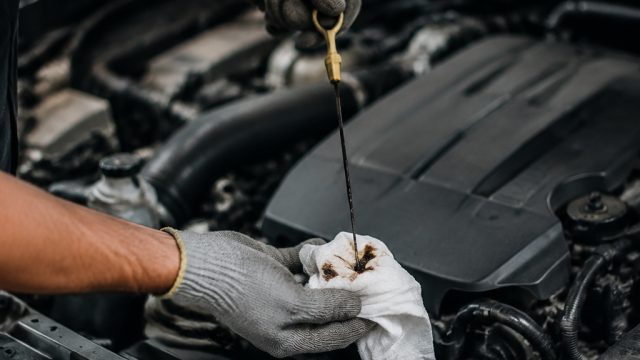
Oil is essential for lubricating the engine components and preventing excessive wear and tear. Regular oil changes, typically every 5,000 to 7,500 miles for most vehicles, help keep your engine clean and functioning optimally. Always use the oil type recommended in your vehicle’s owner manual, and don’t forget to replace the oil filter as well.
2. Check and Replace Air Filters
The air filter plays a vital role in ensuring that your engine receives clean air necessary for combustion. A clogged air filter can reduce engine performance and fuel efficiency. It is advisable to inspect the air filter every 15,000 miles and replace it as needed. This simple step can significantly enhance your vehicle’s performance.
3. Monitor Fluid Levels Regularly
Beyond engine oil, various fluids are crucial for your engine’s function, including antifreeze, brake fluid, and transmission fluid. Check these levels regularly, as low fluid levels can lead to engine overheating or other critical issues. Top them off as necessary and consider a fluid flush based on your manufacturer’s recommendations.
4. Keep an Eye on Engine Belts and Hoses
Engine belts and hoses are essential for the proper functioning of your vehicle. Inspect them for signs of wear, such as cracks, fraying, or leaks. Usually, belts should be replaced every 60,000 miles, while hoses can last up to 100,000 miles. Keeping them in good condition is key to avoiding unexpected breakdowns.
5. Pay Attention to Warning Lights
Modern vehicles are equipped with sophisticated diagnostic systems, and the dashboard warning lights provide crucial information regarding your engine’s health. Ignoring these warning signs can lead to severe damage and costly repairs. If a check engine light appears, it’s essential to have your vehicle diagnosed promptly.
6. Regular Tune-Ups: Preventative Maintenance
A tune-up is an essential part of vehicle maintenance that involves checking and replacing spark plugs, inspecting ignition and fuel systems, and ensuring that the engine is running efficiently. Regular tune-ups can prevent major issues and enhance performance. Schedule a tune-up as per your vehicle’s maintenance schedule.
7. Fuel Quality Matters
Use high-quality fuel from reliable sources. Poor fuel quality can leave deposits in your engine, affecting performance and efficiency. Additionally, consider occasional fuel system cleaning to remove any buildup and improve your engine’s performance.
8. Maintain a Clean Engine Bay
A clean engine bay not only looks good but also helps in spotting leaks and other issues early on. Regularly washing the engine bay and removing any dirt or debris can help in maintaining the overall condition of your engine. However, always ensure that sensitive components are protected from water damage during washing.
Conclusion: Invest in Your Engine’s Longevity
Maintaining your engine is about making small investments of time and resources that pay off significantly in terms of performance and longevity. By following these essential engine maintenance tips, you can ensure that your vehicle runs smoothly for years to come. At Melzaar, we offer professional automotive services to help you keep your engine in peak condition. Schedule a service with us today and experience the difference!
