
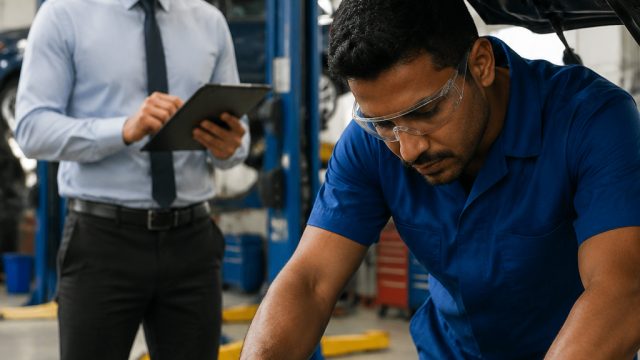
As the automotive landscape evolves, ensuring consumer safety in auto repairs has never been more critical. Recent discussions between industry leaders and New Jersey's Department of Banking and Insurance (NJDOBI) have opened new pathways for improving standards and regulations around automotive repair practices. This dialogue is essential not only for safeguarding consumers but also for maintaining industry integrity.
Why This Matters Now
The auto repair industry in New Jersey is at a pivotal moment. With rising consumer concerns about safety and quality in automotive services, the NJDOBI is taking proactive measures to address these issues. This initiative is particularly timely as we see an increase in vehicle technology complexity, making proper repairs more challenging yet crucial.
Key Discussion Points from the Meeting
- Consumer Education: Emphasis on informing consumers about their rights and the standards they should expect from auto repair services.
- Regulatory Updates: Potential changes to existing regulations aimed at enhancing accountability among repair shops.
- Training and Certification: Initiatives to promote specialized training for technicians to ensure they are equipped for modern vehicle repairs.
Enhancing Transparency in Auto Repair
One significant outcome from the meeting was the call for greater transparency within the auto repair sector. Consumers often feel overwhelmed when selecting service providers, making it vital for repair shops to communicate clearly about their processes, pricing, and qualifications.
Building Trust through Communication
Trust is a cornerstone of consumer relationships. Shops that prioritize clear communication regarding their services are more likely to foster loyalty among customers. Some suggested strategies include:
- Providing detailed invoices that break down labor and material costs.
- Updating customers on the repair process through regular communication.
- Encouraging customer feedback to improve service quality.
Strengthening Industry Standards
The meeting also highlighted the importance of establishing robust industry standards that can be adhered to by all automotive repair shops. The NJDOBI is exploring ways to implement a standardized certification system that can differentiate qualified providers from the competition.
Potential Impact of Standardization
Standardizing repair practices could lead to significant benefits:
- Improved safety for consumers through properly executed repairs.
- Enhanced reputation for the auto repair industry as a whole.
- Increased consumer confidence in selecting service providers.
Future Outlook and Consumer Implications
As these initiatives progress, consumers can expect a more reliable automotive repair landscape in New Jersey. The focus on standardization and consumer education is anticipated to elevate the quality of services and ensure that repairs are performed according to the highest standards.
Staying Informed
For consumers, staying informed about these changes is crucial. Engaging with auto repair shops that prioritize quality and transparency will be essential. Additionally, consumers are encouraged to seek out educational resources available through industry associations and the NJDOBI's website.
Conclusion
In summary, the recent meeting between AASP/NJ leaders and NJDOBI marks a significant step towards enhancing consumer safety and repair standards in New Jersey. As these initiatives take shape, they promise to build a more trustworthy, transparent, and reliable auto repair environment. This is an important moment for consumers and industry professionals alike, setting the stage for a safer driving experience.
