
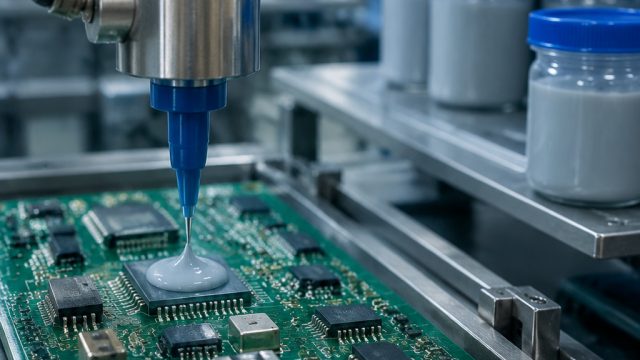
The electronics industry is currently witnessing a significant transformation, driven by the need for miniaturization and advanced technology. As manufacturers strive to create smaller, more efficient devices, the demand for innovative materials, including pseudoplastic thickeners, is rapidly increasing. This trend is shaping the market forecast towards 2035, reflecting a pivotal moment for suppliers and manufacturers alike.
Understanding Pseudoplastic Thickeners
Pseudoplastic thickeners are unique substances that alter viscosity under shear stress, making them vital in various applications, particularly within the electronics sector. These thickeners are essential for ensuring optimal performance and durability in products such as adhesives, coatings, and inks, which are crucial components in modern electronic devices.
Key Benefits of Pseudoplastic Thickeners
- Versatility: Adaptable to various formulations across industries.
- Improved Stability: Enhance the stability and performance of electronic components.
- Reduced Weight: Contribute to the lightweight design of modern electronics.
- Environmental Compatibility: Many thickeners are designed to minimize environmental impact.
The Impact of Miniaturization on Market Dynamics
As electronic devices become smaller and more compact, the materials used in these products must also adapt. The trend toward miniaturization is driven by consumer demand for slimmer profiles and enhanced portability. Consequently, the thickener market is evolving, with manufacturers focusing on developing advanced formulations that meet these emerging needs.
Forecasting Growth in Thickeners Demand
Industry analysts predict that the market for pseudoplastic thickeners will experience substantial growth leading up to 2035. Innovations in technology and a surge in electronic device production will significantly influence this trajectory. Key factors contributing to this growth include:
- Increased production of consumer electronics.
- Higher demand for sustainable and environmentally friendly products.
- Technological advancements in material science.
Challenges and Opportunities Ahead
While the future looks promising for the thickener market, several challenges must be addressed to fully capitalize on the growth potential. Manufacturers need to navigate the complexities of supply chain management, regulatory compliance, and consumer expectations.
Strategic Approaches for Manufacturers
To stay competitive in this evolving landscape, companies should consider the following strategies:
- Invest in Research and Development: Focus on developing new formulations that meet the specific needs of the electronics industry.
- Enhance Collaboration: Work closely with electronics manufacturers to understand their requirements better.
- Streamline Production Processes: Adopt more efficient manufacturing techniques to reduce costs and improve quality.
Conclusion: Embracing the Future of Thickeners
The demand for pseudoplastic thickeners in the electronics sector is poised for remarkable growth as we look toward 2035. The intersection of miniaturization and technological innovation presents both challenges and opportunities for manufacturers. By embracing these trends and adapting to market demands, the thickener industry can play a pivotal role in shaping the future of electronics.
For further insights on market trends and forecasts, stay tuned to Melzaar as we continue to provide valuable information on automotive care and service, and broader industry innovations.
