
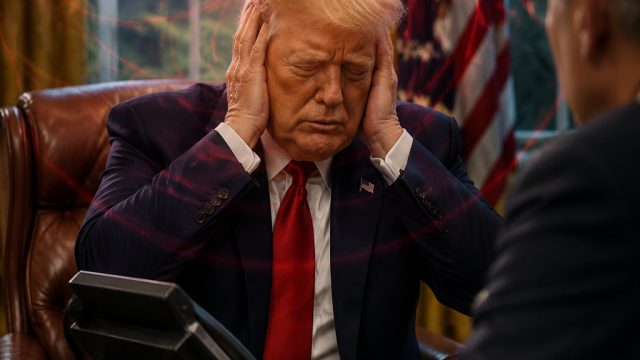
In a startling revelation that has captured the attention of both media and public, Uri Geller, a well-known entertainer and self-proclaimed psychic, has made extraordinary claims regarding Iran's capabilities in influencing human decision-making through advanced electromagnetic technology. This assertion raises critical questions about international relations and the potential implications for political figures, particularly regarding former President Donald Trump.
The Claims that Sparked Debate
During an appearance on Israeli television channel Channel 14, Geller suggested that Iran possesses sophisticated electromagnetic weapons that could potentially manipulate the decision-making processes of individuals, including world leaders like Trump. This controversial statement has ignited a firestorm of discussion, not only about the validity of Geller's claims but also about the broader ramifications of such technology in global diplomacy.
The Science Behind Electromagnetic Influence
Electromagnetic technology is often associated with various applications, from communications to weaponry. The idea that such technology can influence human thoughts or decisions is a contentious subject, prompting skepticism among experts. Yet, the potential for misuse of such technology raises alarms:
- Mind Control Concerns: The concept of influencing decisions through electromagnetic means brings forth ethical and moral dilemmas.
- Implications for National Security: If true, it presents a new frontier in warfare and intelligence operations.
- Public Perception: How much should the public trust claims made by entertainers versus scientific authorities?
Political Ramifications of Geller's Statements
The implications of Geller's assertions stretch far beyond mere entertainment. Political analysts are wrestling with several core issues:
Impact on U.S.-Iran Relations
If there is any truth to the allegations regarding Iran's capabilities, it could significantly alter the landscape of U.S.-Iran relations. The U.S. has long held a critical stance towards Iranian technology and nuclear ambitions, and these new claims could further exacerbate tensions.
Public Reaction and Media Scrutiny
The public reaction to Geller's claims has been mixed. Many have dismissed them as sensationalist, while others are intrigued by the potential for technological manipulation of political figures. Media coverage has focused on:
- Fact-checking: Investigations into the scientific basis of Geller's claims.
- Expert Opinions: Commentary from political analysts and scientists on the feasibility of such technologies.
The Future of Electromagnetic Technology in Politics
As discussions continue, the future of electromagnetic technology in the realm of politics remains a pressing concern. The intersection of technology and decision-making could redefine how political campaigns and international negotiations unfold:
Potential Developments to Watch
Several trends may arise from this situation that warrant close observation:
- Technological Advancements: Continued research into the capabilities of electromagnetic technologies.
- Policy Formulation: Governments may begin drafting policies to regulate or counteract potential mind-influencing technologies.
- Public Discourse: Heightened awareness and debate among the public regarding technology's role in governance and political integrity.
Conclusion: Why This Matters Now
The claims made by Uri Geller touch on profound issues of power, influence, and ethics in an increasingly technology-driven world. As the debate over the legitimacy of these statements continues, what remains clear is the potential for such discussions to impact global politics significantly. Understanding the nexus between technology and decision-making could be pivotal in shaping future relations between nations and governing bodies. As citizens, staying informed and engaged with these developments is essential.
