
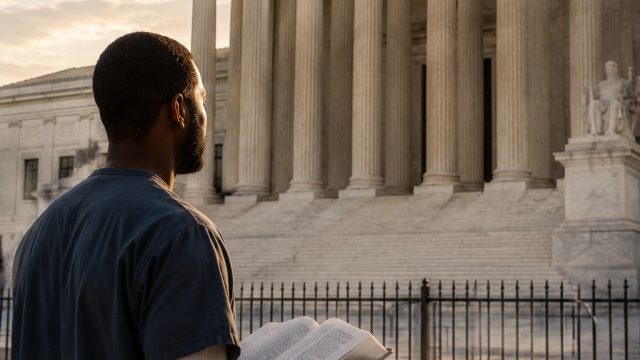
The recent ruling by the Supreme Court regarding the rights of a Rastafarian man has sparked significant discussion about religious freedoms within the prison system. The decision, which dismissed the man's claims against prison officials for cutting his dreadlocks, raises critical questions about how religious rights are upheld in correctional facilities. This ruling underscores the ongoing struggle for personal rights and religious expression behind bars, making it a timely topic for discussion.
Understanding the Case
The case centers around a Rastafarian prisoner in Louisiana who filed a lawsuit after prison officials forcibly cut his dreadlocks, which he argued were an essential part of his religious identity. The Supreme Court's decision, which sided with the prison officials, has raised eyebrows among advocates for religious freedom, as it effectively sets a precedent for how religious expressions can be treated in penal institutions.
The Court's Reasoning
- The Supreme Court concluded that the actions taken by prison officials were justified under the claim of maintaining order and security within the facility.
- They emphasized the need for prisons to balance inmates' rights with the institution's safety protocols.
- The decision highlighted a perceived lack of evidence that cutting the dreadlocks significantly impacted the inmate's religious practices.
The Broader Implications
This ruling has broader implications not only for Rastafarian inmates but for all individuals who practice minority religions within the prison system. The decision reflects a troubling trend where personal beliefs may be compromised in the name of security. Here are some immediate impacts we can expect:
- Increased Scrutiny on Religious Practices: The ruling may lead to heightened scrutiny of religious expressions within prisons, impacting how various faiths are practiced.
- Chilling Effect on Inmate Rights: This case could deter other prisoners from advocating for their religious rights, fearing retaliation or dismissal of their claims.
- Potential Legislative Responses: Advocates for prison reform may push for new legislation to protect religious freedoms in correctional facilities.
Lessons Learned from the Ruling
As society reflects on this ruling, there are valuable lessons to be gleaned regarding the intersection of law, faith, and personal expression:
- Importance of Documentation: Inmates must thoroughly document their religious practices and their significance to build a stronger case if faced with interference.
- Need for Legal Support: Access to legal counsel specializing in religious rights can empower inmates to defend their beliefs effectively.
- Advocacy and Awareness: Raising public awareness about the religious rights of inmates can foster compassion and understanding, paving the way for reform.
Moving Forward: The Future of Religious Rights in Prisons
The Supreme Court's decision is a pivotal moment that challenges advocates to consider more robust methods for ensuring that religious rights are respected in penitentiaries. As advocacy groups gear up for potential reforms, the focus will likely shift towards creating policies that ensure the rights of all prisoners, regardless of their religious affiliations, are upheld.
As discussions continue, it's crucial for society to engage with this issue, as it touches on fundamental human rights that extend beyond prison walls. The dialogue surrounding this case serves as a reminder of the ongoing struggle for justice and the need for vigilance in protecting the rights of the marginalized.
Conclusion
The Supreme Court's ruling is not just a legal decision; it's a reflection of the ongoing conversation about religious freedom and human dignity within the penal system. As we move forward, the significance of this case will likely resonate, prompting both reflection and action to ensure that all individuals, regardless of their beliefs, can practice their faith freely and without fear of persecution.
