
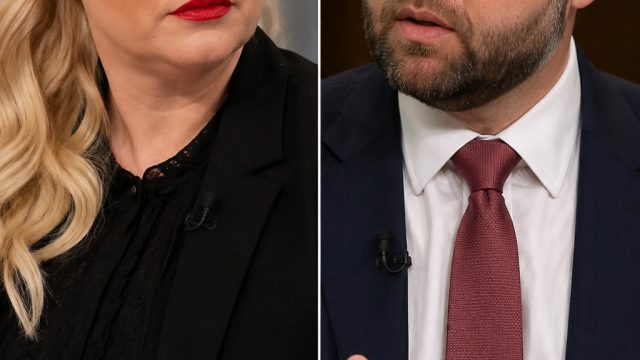
In a recent turn of events that has captured the attention of political analysts and the general public alike, conservative commentator Meghan McCain has voiced her concerns regarding Senator JD Vance's engagement in negotiations with Iran. This development comes amid a backdrop of heightened tensions in the Middle East and raises questions about the U.S. approach to foreign relations in a time of crisis.
The Context of Vance's Negotiations
McCain's remarks specifically target Vance's ongoing discussions in Switzerland, where he is reportedly working alongside Qatari and Pakistani leaders to mediate talks with Iranian officials. This scenario has sparked a debate about the appropriateness of Vance's strategies and aligns with a broader discourse surrounding America's diplomatic ties with nations often viewed as adversaries.
Why This Matters Now
The implications of these negotiations extend beyond mere political discourse; they impact national security and the U.S.'s standing on the global stage. As tensions rise, the stakes in the Middle East become increasingly critical. McCain warns that Vance's approach may signal a misguided willingness to associate with those she perceives as threats to American interests.
McCain's Position on Foreign Diplomacy
Meghan McCain has been vocal about her views on foreign diplomacy, often emphasizing the need for a strong U.S. stance against nations that challenge American values. Her criticism of Vance aligns with her call for more robust leadership and a clear strategy in dealing with international adversaries. In her view, engaging with countries like Iran requires a careful balance of firmness and diplomacy, an approach she believes is currently lacking.
The Role of Media in Political Discourse
McCain's public statements also highlight the role of media in shaping political narratives. By calling out Vance, she contributes to a larger conversation about how political figures communicate their strategies to the public. The media serves as a platform for political critique, and in this case, McCain is using her voice to question the legitimacy of Vance's actions.
Future Implications for U.S. Foreign Policy
As discussions about Vance's negotiations progress, observers are contemplating the future of U.S. foreign policy. Will the current administration shift its approach based on internal dissent and public opinion? The outcomes of Vance's talks could set a precedent for future interactions with Iran and similar nations, and the political fallout could be significant.
Public Reaction and Political Ramifications
- Supporters of McCain's viewpoint argue that a tougher stance is necessary.
- Critics of Vance's methods believe that diplomacy is essential for peace.
- Political pundits speculate on how this debate might influence upcoming elections.
Conclusion: A Divided Opinion
The debate sparked by Meghan McCain's criticism of JD Vance underscores a significant divide in contemporary political thought regarding foreign policy. As both proponents and opponents of negotiation strategies voice their opinions, the broader implications for national security and diplomacy continue to unfold. How Vance navigates this political landscape will ultimately influence his future and that of U.S. relations with complex global players like Iran. The conversation initiated by McCain serves as a crucial reminder of the challenges that lie ahead in American foreign policy.
