
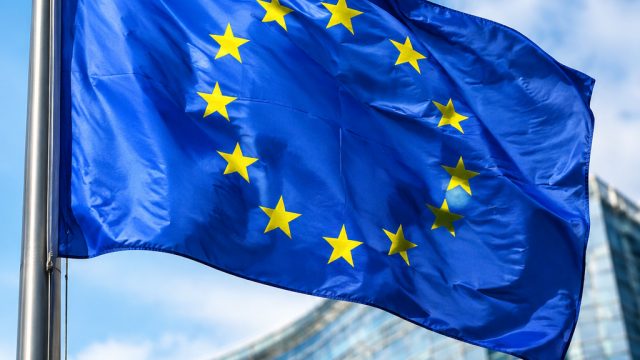
In a time where the European Union (EU) is reassessing its relationships with candidate countries, the recent remarks from Turkey's foreign minister, Mevlüt Çavuşoğlu, have sparked significant discussion about the nature of these relationships, especially concerning North Macedonia. The core of the conversation revolves around the need for honesty and openness from the EU as it navigates the complexities of membership applications. As European politics evolve, North Macedonia's aspirations for integration raise questions about fairness and respect for national identity.
Understanding the Context of Membership Demands
The EU's approach to admitting new member states has historically included a set of stringent criteria. These conditions often encompass political, economic, and social reforms that candidate countries must undertake. However, Çavuşoğlu's recent statements underscore a growing concern regarding the expectations placed on North Macedonia, particularly regarding its national identity.
National Identity Under Scrutiny
As part of its accession process, North Macedonia has faced demands that many consider intrusive, including calls to alter its name and flag. These requests have raised eyebrows not only within North Macedonia but across the region, as they challenge the essence of national identity. The insistence that North Macedonians abandon their heritage presents a paradox in the EU's foundational values of respect for diversity and cultural identity.
The Importance of Transparency from the EU
Çavuşoğlu emphasized that the EU should maintain an open dialogue with aspiring members, advocating for a transparent accession process. This is vital for several reasons:
- Trust Building: Openness can foster trust between the EU and candidate nations, which is crucial for political stability.
- Encouraging Reforms: Transparent communication about the requirements can lead to more effective reforms in candidate states.
- Cultural Respect: Acknowledging the cultural backgrounds of nations can enhance mutual respect and cooperation.
The Implications of Political Demands
As North Macedonia grapples with these challenges, the implications of political demands from the EU extend beyond the borders of the nation itself. The situation highlights a broader discourse on how EU enlargement policies might evolve in the future and the potential impacts on regional dynamics.
Regional Stability and Cooperation
The Balkan region has a history of complex relationships, and the EU's handling of North Macedonia's aspirations will undoubtedly influence regional stability. By imposing harsh demands, the EU risks alienating North Macedonia and potentially destabilizing the region. Emphasizing cooperation rather than coercion could lead to a more harmonious expansion process.
The Path Ahead: Finding Common Ground
Looking forward, it is essential to find a balance between the EU's requirements and the rights of candidate nations to maintain their identities. A collaborative approach will not only benefit North Macedonia but also strengthen the EU's position as a leader in promoting democracy and human rights globally.
Engaging the Public
Public sentiment in North Macedonia towards the EU's demands is crucial. Engaging citizens in discussions about their future within the EU framework can lead to more democratic processes and increased public support for necessary reforms. Active participation from the populace can also ensure that their voices are heard regarding issues of national identity.
Conclusion: A Call for a New EU Approach
As the EU takes stock of its processes and relationships, it must prioritize transparency and respect for the identities of candidate nations. The situation in North Macedonia serves as a critical reminder of the need for an inclusive approach to European integration. By fostering an environment of open dialogue and mutual respect, the EU can pave the way for a more united and culturally diverse Europe. This moment in political history is not just about accession; it's about shaping the future of Europe itself.
