
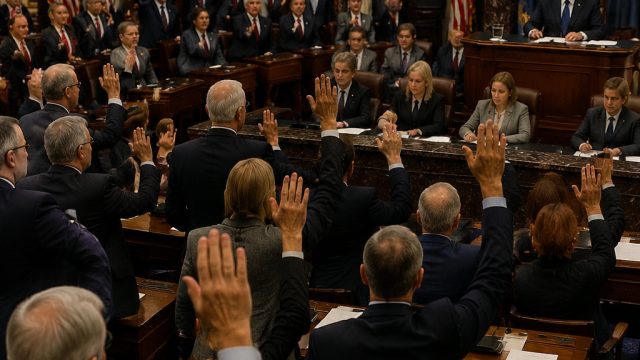
In a decisive move that underscores the shifting tides of U.S. foreign policy, the Senate has voted to limit the President's war powers regarding Iran. This rare bipartisan effort comes at a critical moment as tensions in the region continue to escalate, prompting lawmakers to reconsider the scope of presidential authority in military engagements.
Understanding the Senate's Decision
The vote, which drew support from members across the political spectrum, reflects a growing concern among legislators about the implications of unchecked military actions. As global conflicts become increasingly complex, the need for oversight and accountability in decisions involving U.S. troops has never been more evident.
Bipartisan Support for Change
Notable in this decision was the crossing of party lines, with some Republicans joining Democrats in favor of the resolution. This unity highlights a shared apprehension regarding the potential for escalated military conflict without congressional approval. The Senate's action is particularly significant given the historical context of U.S. engagements in the Middle East, where prolonged military involvement has often led to unintended consequences.
Why This Matters Now
As the geopolitical landscape evolves, the implications of the Senate's decision extend beyond the immediate concerns related to Iran. Here are several reasons why this vote is pivotal:
- Restoration of Congressional Authority: This vote reaffirms the role of Congress in decisions about military intervention, emphasizing the importance of checks and balances in government.
- Public Sentiment: Growing anti-war sentiment among the American public has influenced lawmakers to act in favor of more restrained military policies.
- International Relations: Limiting military engagement may help stabilize U.S. relations with key allies who are wary of further escalation in Iran.
Historical Context of Military Engagements
The U.S. has a long and complicated history of military involvement in the Middle East. From the Gulf War to the conflicts in Iraq and Afghanistan, each engagement has sparked debates about the effectiveness and ethical implications of military action. The Senate's recent vote signifies a desire to learn from past mistakes and prioritize diplomatic solutions over military ones.
The Long-Term Implications
Looking forward, it's essential to consider the long-term effects of this vote on U.S. military strategy and foreign policy. Lawmakers must navigate a fine line between national security interests and the imperative to avoid unnecessary conflicts. The Senate's decision could set a precedent for how future administrations engage with international crises.
Potential Outcomes for U.S.-Iran Relations
The relationship between the U.S. and Iran remains fraught with tension. Potential outcomes of this legislative action may include:
- Increased Diplomatic Efforts: The Senate's stance may encourage a shift towards negotiation rather than aggression.
- Heightened Scrutiny of Military Actions: Future military engagements may face more rigorous examination from Congress.
- Impact on Domestic Politics: This vote could reshape the political landscape as candidates rally around the issue of military involvement.
Conclusion
The Senate's recent vote to limit presidential war powers concerning Iran represents a pivotal moment in U.S. foreign policy. As tensions in the region continue to evolve, the need for a thoughtful approach to military engagement is more crucial than ever. The potential for bipartisan support on this issue suggests a willingness to reconsider traditional approaches to international conflict. As citizens, it is essential to stay informed and engaged with these developments, understanding their impact on both national and global stages.
