
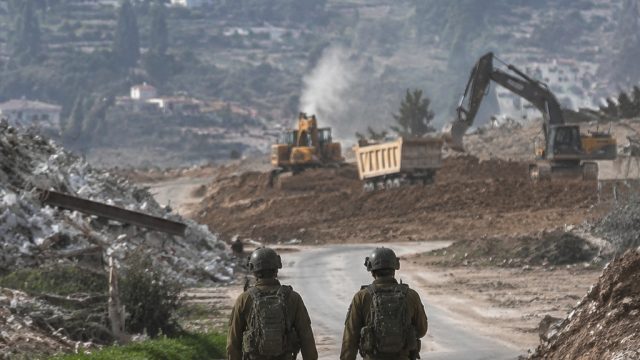
Recent developments in the region have heightened tensions as Israeli forces have implemented new directives that significantly limit military operations in Southern Lebanon. This alteration in approach follows a series of complex geopolitical events and is critical for understanding the current landscape of military engagements.
The New Directives Unpacked
According to reports, the Israeli military has instituted stricter control measures for operations on its northern front, particularly in Southern Lebanon. These directives were reportedly issued to enhance operational security and to manage the risks associated with heightened conflict. Analysts suggest that this move is a response to various regional pressures, including ongoing confrontations and the need for strategic recalibrations.
Background of the Situation
The Israeli presence in Southern Lebanon has been a longstanding point of contention, particularly since the Israeli withdrawal in 2000. The region has seen fluctuating tensions, often influenced by the activities of militant groups and the broader geopolitical climate in the Middle East. With these new restrictions, Israeli officials are aiming to prevent escalatory incidents that could lead to broader conflict.
Why This Matters Now
The implications of these new military directives are significant. As operations become more restricted, the balance of power in the region could shift, affecting everything from local governance to international relations. The timing of this announcement is particularly noteworthy amid ongoing discussions about peace and stability in the Middle East, making it a crucial point of focus for both policymakers and analysts alike.
Potential Regional Impact
- Increased Tensions: The restrictions may lead to increased unrest among local populations who may perceive these changes as a sign of weakness or a prelude to further hostilities.
- Military Reactions: Neighboring countries and groups may adjust their strategies in response to these new Israeli policies, potentially leading to an arms race or heightened defensive postures.
- International Relations: Global powers have vested interests in the region, and any shifts in military strategy could provoke reactions or interventions that reshape alliances.
Public and Expert Reactions
Responses from experts in Middle Eastern affairs indicate a mix of caution and concern. Many believe that while enforcing stricter rules may help Israel maintain control, it could also alienate local populations and exacerbate existing hostilities. The broader implications for regional governance and peace efforts cannot be overlooked.
Community Sentiment
Local communities are reacting to the news with a blend of skepticism and apprehension. As the directives unfold, residents express concerns about how these changes will affect their daily lives and security. The historical context of Israeli presence in the region adds layers of complexity to the local sentiment, as many people still harbor deep-seated grievances.
Conclusion: Monitoring the Situation
As Israel implements these new restrictions in Southern Lebanon, the situation remains fluid and highly contingent on various geopolitical factors. Stakeholders from all sides will need to remain vigilant, as the implications of these military directives could resonate far beyond the immediate area. Keeping an eye on developments will be essential for understanding the potential ripple effects in the region and the international community.
