
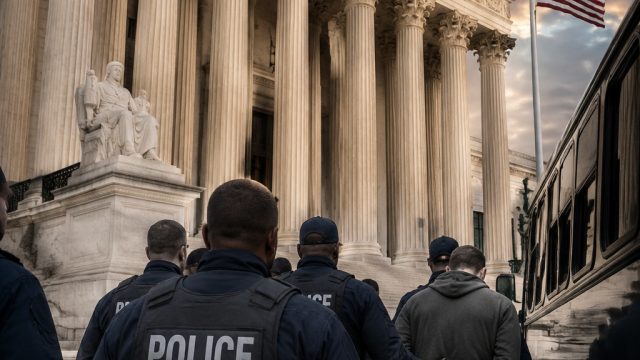
The recent ruling by a U.S. appeals court allowing the Trump administration to expedite the deportation process has significant implications for immigration policy and the treatment of migrants across the country. As this development unfolds, it is vital to understand its potential effects on communities, legal processes, and the broader immigration landscape.
Understanding the Ruling
The appeals court decision essentially greenlights the administration’s efforts to streamline the deportation process, permitting faster removal of undocumented migrants. This approach aims to address what proponents argue is a growing issue of illegal immigration, while critics contend that it undermines due process and places vulnerable individuals at greater risk.
What Does Fast-Track Deportation Involve?
- Accelerated Processes: Migrants can face deportation within days of being apprehended, as opposed to weeks or months.
- Limited Legal Recourse: Many individuals may not have the opportunity to challenge their deportation effectively.
- Broader Impact: The ruling allows this process to be implemented nationwide, affecting many immigrants across diverse regions.
The Current Landscape of Immigration Policy
As the fast-track deportation processes take shape, it is essential to consider the existing immigration frameworks that govern how individuals are treated. Policies are constantly evolving, influenced by political, social, and economic factors.
Key Considerations for Immigrants
- Increased Vulnerability: Many migrants, especially those from lower socio-economic backgrounds, may find themselves at heightened risk of deportation.
- Legal Representation Challenges: With expedited processes, securing timely legal help becomes critical yet challenging for many.
- Community Responses: Local organizations are mobilizing to provide assistance and resources for those affected by the new policies.
The Broader Implications of Fast-Track Deportation
This ruling does not just affect the individuals directly involved; it has wider ramifications for American society, law enforcement, and community relations. The policy can foster an environment of fear and uncertainty among immigrant communities, leading to hesitance in seeking help or participating in civic activities.
Political Reactions and Future Directions
Reactions to the ruling have been deeply polarized. Supporters of fast-track deportation believe it is essential for maintaining law and order, while opponents argue it erodes the fundamental rights of individuals. Activists across the nation are calling for comprehensive immigration reform to address the root causes of migration and establish a more humane approach.
What Comes Next for Immigration Policy?
As this ruling is implemented, it may lead to further legal challenges and ongoing debates about the ethics and effectiveness of such policies. Understanding the evolving nature of immigration laws and the potential for future amendments will be crucial for both immigrants and the communities they belong to.
Ways to Stay Informed
- Follow Legal Updates: Keep an eye on court rulings and changes in immigration laws.
- Engage with Advocacy Groups: Join discussions and support organizations fighting for immigrant rights.
- Participate in Community Forums: Stay connected with local events that address immigration issues.
Conclusion
The recent appeals court decision marks a significant moment in the ongoing saga of U.S. immigration policy. Its implications are far-reaching and underscore the necessity for continual dialogue and advocacy surrounding these issues. Understanding the legal landscape and the human stories behind immigration statistics is essential for fostering informed communities and ensuring justice for all.
