
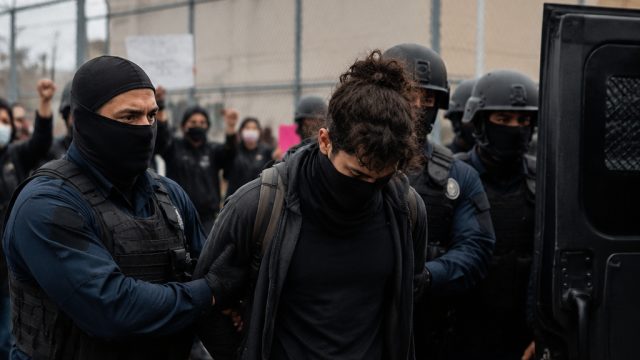
In a significant legal development, several individuals involved in protests against the Immigration and Customs Enforcement (ICE) in Texas have received lengthy prison sentences. This situation not only raises questions about the right to protest but also reflects the growing tensions surrounding immigration policies in the United States.
The Context of the Sentencing
Recently, a Texas court delivered sentences that will see eight convicted individuals facing decades behind bars. These convictions stem from their involvement in a protest that escalated into violence at an ICE facility in Alvarado, Texas. The protesters, many believed to be associated with Antifa, were charged with serious offenses, including terrorism.
Why This Matters Now
The implications of these sentences extend far beyond the individuals involved. As the nation grapples with immigration reform and related social issues, the treatment of protesters can set a troubling precedent. The harsh sentences—some amounting to up to 100 years—highlight a judicial pushback against what is perceived as domestic terrorism, particularly when it involves politically charged protests.
Background on the Protest and Legal Proceedings
On the day of the protest, the atmosphere was charged with emotions on both sides of the immigration debate. While many activists sought to voice dissent against ICE's policies, the situation deteriorated, leading to violent confrontations. This has prompted law enforcement agencies to categorize such protests as threats to public safety.
The Charges and Sentencing Outcomes
- Each of the eight protesters faced multiple charges, including conspiracy and inciting violence.
- The prosecutions were supported by video evidence, eyewitness accounts, and social media activity that showcased their involvement.
- The state's strict approach to sentencing is aimed at deterring similar protests in the future.
Impact on Future Protests and Activism
The severe sentences given to these protesters have sparked a national conversation regarding the limits of free speech and the boundaries of lawful protest. Legal experts suggest that this case could chill dissenting voices, pushing activists to reconsider how they engage with public demonstrations.
Public Response and Reactions
The reactions to the sentencing have been mixed. Some civic leaders argue that strong legal action is necessary to ensure public safety, while others view these sentences as overly punitive and a direct attack on freedom of expression.
Potential Legal Repercussions and Future Outlook
This incident could lead to a re-evaluation of laws governing protests in Texas and across the nation. Legal analysts predict that similar cases may emerge, prompting the courts to address the nuances of protest rights in the context of perceived threats to public order.
What Activists Should Know
If you are involved in activism or plan to engage in protests, keep these considerations in mind:
- Understand your local laws regarding protests and civil disobedience.
- Be aware of potential risks associated with escalating tensions during protests.
- Consider non-violent approaches as a means of advocating for change.
Conclusion
The sentencing of Texas protesters linked to Antifa marks a pivotal moment in the ongoing dialogue about activism and public safety. As this story unfolds, it underscores the necessity for all parties to navigate the complexities of free speech, public assembly, and the consequences that come with them. As we look ahead, the intersection of protest rights and legal accountability will continue to evolve, shaping the landscape of activism in America.
