
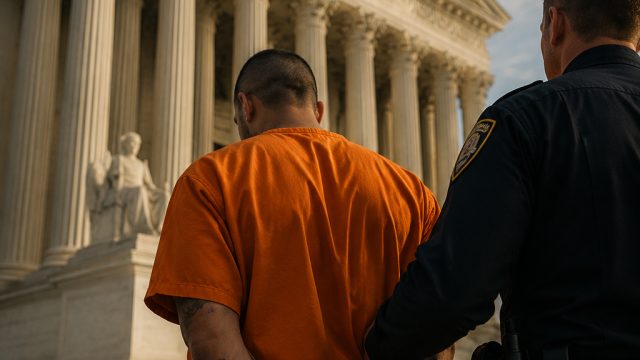
The recent ruling by the Supreme Court regarding a Louisiana prisoner's religious rights has sparked significant discussion about the treatment of incarcerated individuals and their beliefs. The case centered on a Rastafarian inmate whose dreadlocks were forcibly cut off by prison guards. While the court decided that the guards cannot be sued under federal law, the implications of this decision resonate well beyond the courtroom.
An Overview of the Case
In this landmark case, the Supreme Court ruled that the prison guards involved in the incident could not be held liable for violating the inmate's religious rights under a federal statute designed to protect such freedoms. This decision raises crucial questions about the balance between security and individual rights in correctional facilities.
Background of the Incident
The incident occurred when the inmate was subjected to a prison rule that was purportedly enacted for health and safety reasons. The forcible cutting of his dreadlocks, which hold significant cultural and spiritual value, ignited a fierce debate about the extent to which prisons can impose restrictions on religious expressions.
Legal Context
Federal laws, including the Religious Land Use and Institutionalized Persons Act (RLUIPA), are designed to safeguard the religious practices of individuals in state custody. However, the court's decision illustrates a potential gap in the enforcement of these protections, particularly when it comes to prison staff actions.
The Broader Implications of the Ruling
This ruling has far-reaching implications for the treatment of inmates across the United States. Here are some key considerations:
- Impact on Religious Freedom: The decision may embolden prison authorities to impose stricter regulations that could infringe upon religious practices.
- Precedent for Future Cases: This ruling may set a precedent, affecting how similar cases are adjudicated in the future.
- Advocacy and Reform: The case could galvanize advocacy groups seeking to reform prison policies related to religious expression.
Responses from Advocacy Groups
Many civil rights organizations have voiced their concerns regarding the implications of this ruling. They argue that it undermines the fundamental rights of inmates, who should be allowed to practice their faith freely. Advocates are calling for legislative changes to strengthen protections for religious practices within prisons.
What Happens Next?
As the discussion continues, it is essential to consider what this ruling means for the future of prison reform and the rights of inmates. Legal experts suggest that there may be an uptick in lawsuits addressing similar issues, as advocates aim to challenge this decision.
Public Sentiment and Opinion
The public response has been mixed, reflecting a range of opinions on how best to balance security and individual rights. Some argue that prison systems must prioritize safety, while others emphasize the need for compassion and respect for religious beliefs.
Conclusion: A Call for Dialogue
The Supreme Court's decision highlights a crucial intersection between law, religion, and civil rights. As this conversation unfolds, it is imperative for stakeholders—lawmakers, legal experts, and the public—to engage in meaningful dialogue about ensuring that the rights of incarcerated individuals are respected. The implications of this ruling serve as a reminder that the quest for justice and equality is ongoing.
