
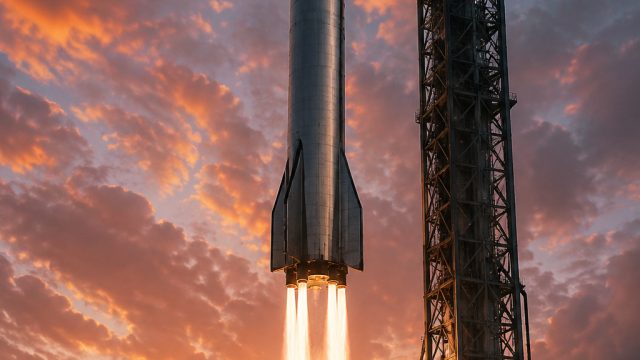
In a significant leap forward for aerospace innovation, SpaceX has recently launched its 'Starfall' mission, a reentry capsule designed to transform how we return from space. This new technology not only showcases SpaceX's commitment to advancing space exploration but also emphasizes timely advancements that could reshape both private and public space travel.
A Glimpse into Starfall's Mission
Launched aboard a Falcon 9 rocket, the Starfall capsule aims to conduct rigorous tests that will inform the future of manned and unmanned space missions. This innovative project is crucial as it addresses the growing need for safe and efficient reentry systems. The Starfall mission reflects an urgent response to the increasing frequency of spaceflights and the corresponding demand for reliable technology to safely bring astronauts and cargo back to Earth.
Why Reentry Technology Matters Now
- Enhanced Safety: Ensuring astronauts' safety during reentry is paramount. Starfall's design incorporates advanced heat shield technology to withstand extreme temperatures.
- Increased Mission Frequency: As more private companies enter the space race, reentry technologies like Starfall are essential for accommodating the influx of space missions.
- Cost Efficiency: The advancements in reusable reentry systems promise to lower the costs associated with space travel, making it accessible for future generations.
The Technology Behind Starfall
Starfall employs unique engineering techniques that differentiate it from existing reentry capsules. For instance, its aerodynamic shape and reinforced thermal protection system are designed for optimal performance during descent. The capsule is also equipped with a series of sensors and computers that monitor and adjust its trajectory, ensuring a smooth landing.
Key Features of Starfall
- Advanced Heat Shield: This technology allows the capsule to endure extreme heat upon reentry, providing a safe environment for its occupants.
- Autonomous Navigation: Starfall features cutting-edge navigation systems that facilitate precise landing capabilities.
- Modular Design: The capsule's design supports potential upgrades and modifications, ensuring longevity and adaptability for future missions.
Future Implications for Space Travel
The implications of Starfall extend beyond mere technological advancement. As SpaceX continues to innovate, the successful implementation of this capsule could pave the way for more frequent missions, including potential tourist flights. With the commercial space market rapidly expanding, having reliable reentry systems is crucial.
Impact on Commercial Space Industry
As more companies seek to launch their own space missions, Starfall sets a new standard for safety and efficiency. The growth of this sector means that innovative technologies will be in high demand, and SpaceX is positioning itself at the forefront of this revolution. The Starfall mission not only serves SpaceX's goals but also inspires other companies to invest in similar technologies.
Conclusion: A New Chapter in Aerospace
With the Starfall mission, SpaceX is not just testing a reentry capsule; it is igniting a new chapter in aerospace technology. The advancements made through this mission will benefit various sectors, from commercial space travel to scientific exploration. As we stand on the brink of a new era in space flight, innovations like Starfall remind us that the future of reentry technology is bright and full of potential.
