
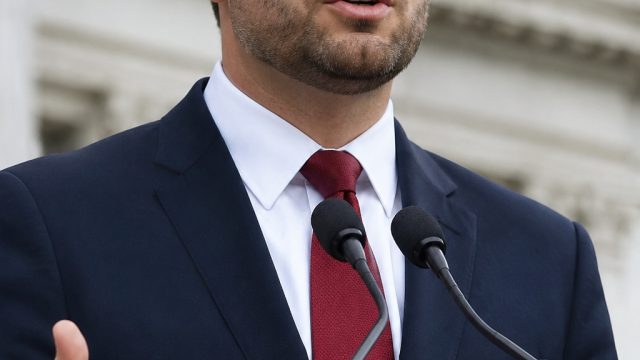
In a striking demonstration of how technology intersects with politics, Micah Lasher has emerged victorious in the recent Democratic primary to succeed Congressman Jerrold Nadler in New York. This election, notable for its heavy financial backing from artificial intelligence (AI) groups, underscores the growing role of AI in shaping electoral outcomes and campaign strategies.
The Dynamics of the Campaign
Lasher's campaign was one of the most anticipated in recent New York history, given the competitive nature of the Democratic primary and the significant resources deployed by various factions. Notably, tech firms and AI advocacy groups poured considerable funds into the race, aiming to ensure the election of candidates aligned with their interests.
A New Era in Political Fundraising
- Increased financial contributions from tech companies.
- Rising importance of digital platforms for campaigning.
- Strategic partnerships between political candidates and tech organizations.
This paradigm shift reflects a broader trend where traditional fundraising methods are being supplanted by tech-driven strategies, potentially changing the landscape of how candidates connect with voters.
Voter Engagement and Turnout
Lasher's win isn't just a reflection of campaign spending; it also highlights how technological tools can enhance voter engagement. His campaign utilized sophisticated data analytics to identify and reach potential supporters, a strategy that has become increasingly critical in today's political climate.
Key Tactics for Success
- Leveraging social media for targeted outreach.
- Using data analytics to track voter sentiments and preferences.
- Engaging with local communities through technology-enhanced platforms.
These tactics not only helped boost Lasher's visibility but also improved voter turnout, particularly among younger demographics who are more inclined to respond to digital outreach.
Implications for Future Elections
Lasher’s win may signal a pivotal moment in the intersection of politics and technology. As AI continues to evolve, its implications for future elections could be profound. Political analysts are now pondering how the integration of AI in campaign strategies will shape voter behavior and engagement moving forward.
Potential Future Trends
- Greater investment in AI-driven political consulting.
- Increased scrutiny of campaign financing from tech companies.
- Possible regulations on the use of AI in political advertising.
These potential trends highlight the necessity for lawmakers to address the ethical implications of AI's growing role in politics, ensuring transparency and accountability in how campaigns utilize technology.
Conclusion: A New Chapter in Political Campaigning
Micah Lasher's primary victory in New York is not just a personal triumph but a reflection of a significant shift in how political campaigns operate amidst the growing influence of AI. As we look toward future elections, the lessons learned from this campaign will likely resonate through the political landscape, emphasizing the need for candidates to adopt innovative strategies that align with the digital age while also addressing the ethical considerations that come with such advancements. Voters can expect campaigns that are not only more engaging but also more reflective of the society we live in.
