
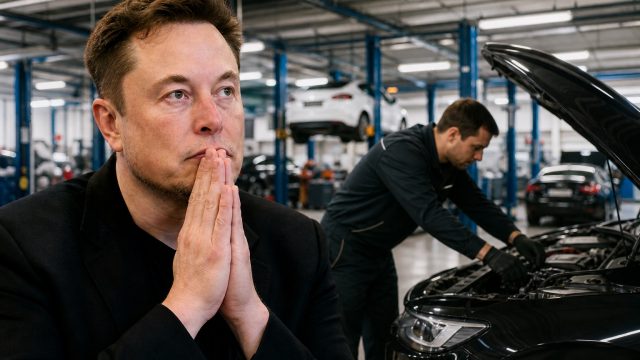
Recently, tech mogul Elon Musk made headlines by asserting that 'zero people have died' in connection with a controversial subject. His statement has sparked widespread debate, especially as research from various institutions has estimated that the actual toll could be as high as 332,000 deaths. Understanding the implications of such stark contradictions is crucial, particularly in today's climate of misinformation and public health concerns.
The Context Behind the Controversy
Musk's comments were made in the context of discussions regarding automotive safety and regulatory practices. As the head of multiple companies, including Tesla, his words carry significant weight and can influence public opinion and regulatory frameworks. However, the reality of automotive safety is more complex than a singular claim can encapsulate.
Understanding the Research
Various studies have delved deep into automotive-related deaths and injuries. For instance, a comprehensive analysis conducted by safety researchers indicates that automotive accidents have claimed over 91 million lives globally over the past few decades. This number emphasizes the need for ongoing discussions about vehicle safety standards and technological advancements.
Misinformation in the Age of Technology
The rapid spread of information, particularly through social media, has complicated public discourse. Musk's assertion exemplifies how statements can be taken at face value, often without the context or supporting data. In an age where information is readily available, critical analysis is more important than ever.
How Misinformation Affects Public Perception
- Trust in Experts: Claims like Musk's may undermine the credibility of experts who present factual data on public health and safety.
- Policy Making: Misleading statements can influence regulations, potentially prioritizing profits over safety.
- Public Safety: A lack of accurate information can lead to reckless behavior among consumers regarding automotive usage and safety protocols.
The Role of Automotive Safety Innovations
As the automotive industry continues to innovate, safety technologies are at the forefront of protecting consumers on the road. Advanced driver-assistance systems (ADAS), for example, have made significant strides in reducing accidents and fatalities. However, the effectiveness of these innovations hinges on public understanding and acceptance.
The Importance of Transparency
Transparency in data reporting and the communication of safety issues are vital. Automakers and regulators must commit to providing clear, factual information to the public. This responsibility is particularly pressing when misinformation can sway consumer behavior and public trust.
Why This Matters Now
In light of recent discussions, the need for accurate communication surrounding automotive safety is paramount. As electric and autonomous vehicles gain traction, understanding the potential risks and safety measures becomes critical for all road users. Musk's claim, while bold, highlights the broader issue of how influential figures can shape narratives, often leading to misconceptions.
The Future of Automotive Safety
- Continued Innovation: As technology evolves, so too must our approaches to safety standards.
- Enhanced Regulation: Stricter regulations may be necessary to ensure consumer safety amidst rapid technological changes.
- Consumer Education: Educating the public on the realities of automotive safety and the importance of adhering to regulations can reduce misinformation.
Conclusion
The dialogue surrounding Elon Musk's controversial claim and the estimated death toll highlights the critical intersection of technology, public health, and misinformation. As consumers, it is imperative to engage with accurate information and remain vigilant against misleading assertions. The future of automotive safety depends not only on innovation but also on a well-informed public ready to advocate for its own safety.
