
Introduction
Owning a vehicle comes with the responsibility of ensuring it remains in top condition. Regular maintenance not only extends the life of your car but also ensures your safety on the road. This article highlights the top five essential maintenance tips that every vehicle owner should follow for optimal performance.
1. Regular Oil Changes
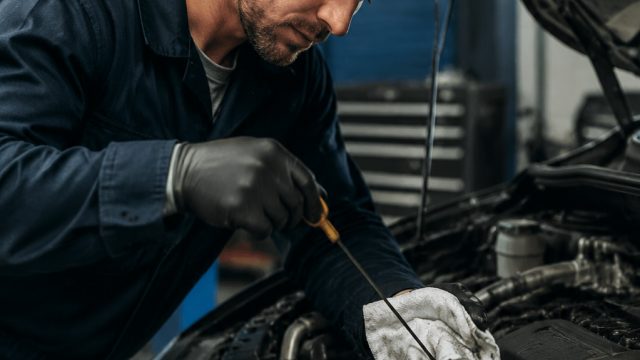
One of the most crucial aspects of automotive maintenance is changing the engine oil regularly. Engine oil lubricates the moving parts of your engine, reducing friction and preventing wear and tear. Clogged or dirty oil can lead to engine overheating and damage. Most manufacturers recommend oil changes every 5,000 to 7,500 miles, but always refer to your vehicle’s owner manual for specific recommendations.
Why Oil Type Matters
Choosing the right type of oil is imperative. Synthetic oils generally offer better protection and performance compared to conventional oils. Always opt for oil that meets the specifications outlined in your vehicle manual.
2. Tire Maintenance
Your tires are the only point of contact between your vehicle and the road. Regularly check tire pressure and tread depth to ensure your tires are in good condition. Under-inflated tires can affect fuel efficiency and handling, while worn-out tires can increase the risk of blowouts.
Rotate and Balance Your Tires
Rotating your tires every 5,000 to 8,000 miles helps promote even wear. Additionally, balancing tires can prevent vibration and improve overall vehicle handling.
3. Brake Inspections
Brakes are vital for your safety. Regular inspections can help you catch issues before they escalate. Pay attention to signs such as squeaking or grinding noises, and schedule a brake inspection immediately if you notice any irregularities.
Replace Brake Pads Regularly
Brake pads wear down over time and should be replaced every 20,000 to 50,000 miles, depending on your driving habits and the type of pads used.
4. Battery Care
A dead battery can leave you stranded, so it’s essential to care for it properly. Check battery terminals for corrosion and ensure they are tightly connected. If your battery is more than three years old, consider having it tested or replaced to avoid unexpected failures.
Signs of a Failing Battery
Be aware of warning signs like dimming headlights or trouble starting your vehicle. If you experience these issues, it may be time for a battery replacement.
5. Fluid Checks
In addition to oil, your vehicle relies on various fluids, including coolant, brake fluid, transmission fluid, and power steering fluid. Regularly check these fluids to ensure they are at the proper levels and in good condition. Low or dirty fluids can lead to serious mechanical problems.
Schedule Routine Fluid Flushes
Flushing outdated fluids is an integral part of vehicle care. For example, coolant should be flushed every 2 years, while transmission fluid may need attention every 30,000 to 60,000 miles, depending on your vehicle's usage.
Conclusion
Regular maintenance is the key to ensuring that your vehicle operates efficiently and safely. By adhering to these five essential maintenance tips, you can prolong the life of your car and enhance your driving experience. For more automotive care guidance, visit melzaar.com.
