
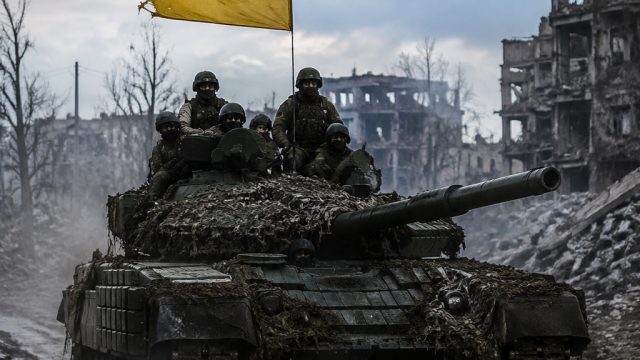
The ongoing conflict between Ukraine and Russia has entered a pivotal phase, marked by a series of recent military and political developments. Ukraine's bold moves not only reflect its military resilience but also test the resolve of Russia's leadership. As the war continues to evolve, understanding these key updates is essential for grasping the broader implications for regional stability and international relations.
Recent Military Successes Bolster Ukrainian Confidence
Following a series of successful operations, Ukraine's military has demonstrated increased effectiveness on the battlefield. This surge in confidence is attributed to several factors, including enhanced military strategies, better-trained personnel, and crucial support from international allies.
Shift in Tactical Approaches
Ukrainian forces have adapted their tactics to counter Russian advances effectively. The integration of technology, such as drone warfare, has played a significant role in recent operations. These advancements not only increase operational efficiency but also allow for greater flexibility in responding to enemy movements.
International Support and Its Impact
Global support for Ukraine has been instrumental in its recent victories. From military aid to economic sanctions against Russia, the international community's backing has provided Ukraine with the necessary resources to mount an effective defense. This has created a situation where Ukrainian forces are more capable of launching offensive operations, shifting the balance of power on the ground.
Political Gains Strengthen Ukraine's Position
In addition to military achievements, Ukraine has experienced significant political victories that contribute to its ongoing resistance against Russian aggression. These gains are vital for both enhancing domestic morale and maintaining international support.
Bolstering Domestic Morale
Successes in the field have a direct positive impact on the morale of the Ukrainian populace. As military victories grow, so does the belief in the possibility of reclaiming lost territories and achieving long-term sovereignty. This sense of unity and purpose is crucial for sustaining the national effort against Russia.
Diplomatic Engagements and Alliances
Ukraine's diplomatic strategy has also evolved, leading to stronger alliances with Western nations and increased participation in international forums. These alliances serve not only to provide military aid but also to reinforce Ukraine's geopolitical significance in the region.
Challenges Ahead: Testing Putin's Resolve
While Ukraine's recent successes are noteworthy, they also pose challenges for Russian President Vladimir Putin. The increasing pressure from Ukrainian operations may force a reevaluation of Russia's military strategy and objectives in the conflict.
Escalation of Tensions
As Ukraine continues to apply pressure in occupied regions, the possibility of a significant escalation in military responses from Russia becomes more likely. This situation could lead to heightened tensions not only within the region but also globally, as international observers remain vigilant about potential shifts in the conflict.
The Role of Public Perception
How the Russian populace perceives the ongoing conflict will also be a critical factor in shaping future actions. Any signs of military setbacks or increasing casualties could lead to a domestic backlash against the government's handling of the war.
Conclusion: The Ongoing Fight for Sovereignty
Ukraine's recent military and political successes signify a critical moment in its ongoing fight for sovereignty against Russian aggression. As the dynamics of the conflict continue to shift, it is essential for the international community to remain engaged and supportive. The resilience displayed by Ukraine not only strengthens its position but also serves as a reminder of the broader implications of this conflict for global peace and security.
