
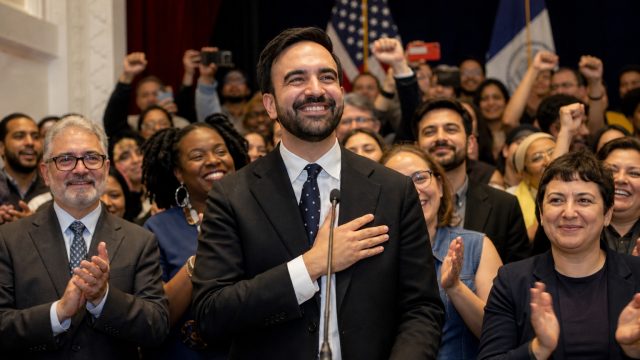
The recent Democratic primaries in New York showcased a significant shift in the political landscape, as candidates backed by Mamdani achieved sweeping victories across multiple districts. This outcome not only reflects the changing sentiments within the party but also sets the stage for future elections. In light of these developments, it is essential to explore what this means for both local and national politics.
The Rise of Progressive Candidates
The triumph of Mamdani-supported candidates signals a growing acceptance of progressive policies among voters. Candidates embracing progressive platforms managed to outshine long-standing incumbents who represented traditional Democratic viewpoints.
Key Victories and Their Implications
- District 10: Brad Lander’s victory over Rep. Dan Goldman marks a pivotal moment, as Lander’s agenda focuses on community-centric policies.
- Increased Voter Engagement: High voter turnout indicates a surge in political activism, particularly among younger voters.
- Shifting Priorities: The winning candidates have emphasized climate change, social justice, and economic reform, aligning with progressive values.
Understanding Voter Sentiment
As we analyze the results, it's crucial to understand the motivations behind this shift. Many voters are increasingly disillusioned with the status quo, prompting a demand for a fresh perspective on governance.
Factors Influencing the Shift
- Economic Challenges: Rising inflation and job insecurity have pushed voters to seek candidates who promise sustainable economic solutions.
- Social Issues Take Center Stage: Candidates advocating for racial equity and gender rights resonated deeply with the electorate.
- Impact of Social Media: Campaigns leveraging digital platforms effectively engaged younger voters, who are critical to electoral success.
What Lies Ahead for New York Politics
Looking forward, the victories of Mamdani-backed candidates suggest a potential realignment within the Democratic Party. This could result in more progressive policies being prioritized on a legislative level, fundamentally altering governance in New York.
Challenges on the Horizon
- Incumbent Resistance: Established politicians may resist the shift towards progressive policies, leading to potential conflicts within the party.
- Voter Expectations: With new leadership comes heightened expectations; voters will be closely watching to see if these candidates deliver on their promises.
- National Implications: The outcome in New York is likely to influence Democratic strategies in other states leading up to the next presidential election.
Conclusion: A Call for Continued Engagement
The recent primary elections demonstrate not only a shift in candidate selection but also a broader call for change within the political sphere. As New Yorkers embrace candidates who prioritize progressive values, it’s essential for constituents to remain engaged and active in the political process. The future of New York politics hinges on the willingness of voters to hold their representatives accountable and advocate for the changes they wish to see. As we move towards the general elections, the significance of this moment cannot be overstated; the direction of the Democratic Party may very well depend on it.
