
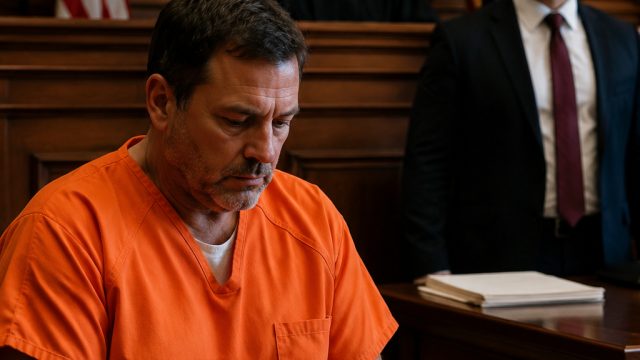
The recent convictions stemming from an anti-ICE protest in Texas have sent shockwaves throughout the nation. Eight individuals were sentenced to a staggering total of 450 years in prison, highlighting the intense legal repercussions associated with violent protests against immigration enforcement. This case raises vital questions about the future of civil protest and governmental response to dissent.
Understanding the Context of the Sentences
The sentences were delivered following a tumultuous protest at an ICE facility in Alvarado, Texas, where violence erupted, resulting in an officer being shot. The convicted individuals faced terrorism charges, which significantly influenced the length of their sentences. The incident has now set a precedent for how protests, especially those targeting immigration enforcement, are treated under law.
The Nature of the Charges
Prosecutors categorized the actions of those involved as not merely unlawful assembly but as acts of terrorism, due to the violent outcomes and the perceived threat to public safety. This classification plays a pivotal role in the severe penalties imposed. Here are some key points about the charges:
- The prosecution emphasized the intent to instill fear in law enforcement and the general public.
- The events escalated quickly, with minimal time for peaceful protest.
- Evidence presented in court included testimonies from officers and civilian witnesses.
The Broader Implications for Protesters
These sentences underline a growing trend in how authorities are responding to protests, particularly those that turn violent. The implications extend beyond this one case, affecting how activists and everyday citizens view their rights to assemble and express dissent.
Concerns Over Freedom of Speech
Many observers are concerned that such harsh sentences may chill future protests. Activists fear that the threat of severe legal consequences could deter individuals from speaking out against perceived injustices. The balance between maintaining public safety and respecting free speech rights is becoming increasingly precarious.
A Call for Reform and Debate
As discussions surrounding immigration policies intensify, this incident has reignited debates about appropriate responses to protests. Advocates for reform argue that a more measured approach is necessary to prevent violent confrontations between protesters and law enforcement.
Exploring Alternatives to Criminal Charges
Some propose alternative interventions that focus on mediation and dialogue rather than punitive measures. Here are a few alternative ideas that could be considered:
- Enhanced community engagement initiatives to address grievances before they escalate to protests.
- Training for law enforcement on de-escalation techniques to avoid violent confrontations.
- Establishment of clear guidelines governing protests to prevent misunderstandings between protesters and the police.
Conclusion: The Evolving Landscape of Protest Rights
The severe sentences handed down to the Texas anti-ICE protesters serve as a crucial reminder of the growing risks associated with civil dissent in today's climate. As the nation grapples with immigration issues and the rights of citizens to assemble, this case may well be a turning point for how protests are perceived and managed. Ongoing conversations about the balance between safety and freedom will be vital as we move forward.
