
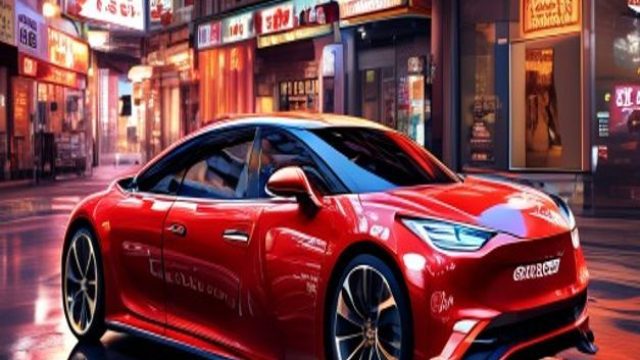
The Indian automotive industry is undergoing a profound transformation, with a significant influx of Chinese electric vehicle (EV) technology setting the stage for a new era in sustainable transportation. As the demand for electric vehicles surges, the integration of advanced Chinese innovations is not just a trend; it is a critical development that can redefine India's automotive landscape.
The Evolving Indian EV Market
With rising concerns over air pollution and the urgent need for sustainable mobility solutions, India has positioned itself as a key player in the global EV market. Recent government incentives and a growing infrastructure for electric vehicles are fostering an environment ripe for innovation. However, challenges remain, especially with regulatory hurdles that have traditionally made it difficult for foreign automakers to penetrate the Indian market.
Current Trends in EV Adoption
- Increased investments in electric vehicle technology
- Government initiatives promoting electric mobility
- Rising consumer awareness regarding sustainable transport
The Role of Chinese Technology
Despite the regulatory barriers, Chinese companies are making significant strides in establishing their presence in India. By leveraging their advanced technologies and manufacturing capabilities, these firms provide cost-effective solutions that appeal to the Indian market.
For instance, leading Chinese automakers are introducing models equipped with cutting-edge battery technologies, which not only enhance performance but also ensure longer driving ranges. These innovations are critical as Indian consumers increasingly demand efficiency and reliability in their vehicles.
Potential Challenges and Regulatory Landscape
While the entry of Chinese EV technology presents numerous opportunities, it does not come without its challenges. The Indian government has implemented strict regulations aimed at protecting local manufacturers, which can hinder the speed of foreign technology adoption.
Key Regulatory Factors
- Import tariffs on foreign automotive components
- Local sourcing requirements for foreign automakers
- Stringent emission norms to which all vehicles must comply
These regulations often create a complex landscape for Chinese automakers looking to expand their operations. However, as the Indian government continues to promote electric mobility, adjustments in these policies may create more favorable conditions for foreign investments.
Consumer Preferences and Market Dynamics
Consumer sentiment plays a vital role in the acceptance of electric vehicles. The introduction of affordable and technologically superior Chinese EVs could shift public perception, paving the way for broader acceptance.
Factors Influencing Consumer Choices
- Price: Competitive pricing is crucial for enticing budget-conscious consumers.
- Range and Battery Life: Consumers prefer vehicles with longer ranges.
- After-Sales Service: A strong service network is vital for consumer trust.
As these preferences evolve, companies that prioritize innovation and customer satisfaction are likely to gain a competitive edge. The entry of Chinese technology may also stimulate domestic manufacturers to enhance their offerings to meet rising consumer expectations.
Conclusion: A Future Driven by Innovation
In conclusion, the integration of Chinese electric vehicle technology into the Indian automotive market represents a significant opportunity for both consumers and manufacturers. As India continues to embrace sustainability and innovation, the collaboration between Chinese technology firms and local businesses may lead to groundbreaking advancements in the EV sector. This shift not only promises to reduce carbon emissions but also positions India as a formidable player in the global automotive arena.
In light of these developments, staying informed about the evolving landscape of electric vehicles in India is essential for stakeholders across the industry. The future of mobility is undoubtedly electric, and India is poised to be at the forefront of this transformation.
