
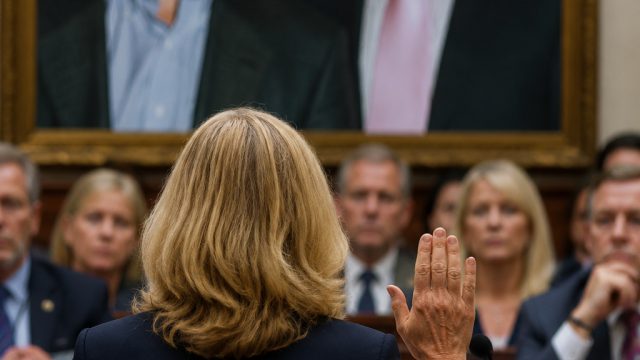
In a recent testimony that has stirred public discussion, Lesley Groff, former secretary to Jeffrey Epstein, provided a detailed account of the interactions between Epstein and Donald Trump. This revelation comes at a time when scrutiny of Epstein’s network and connections has resurfaced, reigniting debates around accountability and the implications of such associations.
The Significance of the Testimony
Groff's testimony, disclosed by the House Oversight Committee, is pivotal in understanding the extent of Trump’s relationship with the late convicted sex offender, Jeffrey Epstein. The timing of this report is crucial, as it raises questions about the accountability of public figures who have been linked to Epstein's controversial lifestyle.
Contextual Background
Jeffrey Epstein, a notorious financier and convicted sex offender, was known to have connections with several high-profile individuals, including politicians, celebrities, and business leaders. The resurfacing of testimonies related to his associates sparks interest and concern regarding the implications for those involved.
- Who is Lesley Groff? Groff worked for Epstein starting in 2001, managing his schedule and communications.
- Nature of the Calls: The calls between Trump and Epstein reportedly ranged from casual conversations to discussions about social events.
- Public Reaction: Many are questioning the nature of these interactions and what they imply for Trump's public persona.
Impacts on Public Perception and Accountability
As more details emerge, it is essential to explore how this testimony affects public perception of Donald Trump. The intersection of politics and personal conduct remains a hot topic, especially in the wake of heightened scrutiny of public figures’ relationships.
Media Coverage and Public Discourse
The role of media in shaping narratives around Trump's connections to Epstein cannot be understated. Comprehensive coverage of Groff's testimony has the potential to influence voter perceptions ahead of upcoming elections. The implications stretch beyond personal accountability; they raise questions about the moral compass of those in leadership positions.
Looking Ahead
The ramifications of this testimony extend into broader discussions about transparency and ethics in politics. As society demands more accountability from those in power, Groff’s insights serve as a reminder of the complexities surrounding relationships and their implications on public trust.
What Does This Mean for the Future?
As investigations continue and more testimonies may emerge, the connection between Trump and Epstein will likely remain a topic of interest. Voters and constituents are urged to stay informed about these developments, as they hold the potential to impact political landscapes significantly.
In conclusion, as we navigate the implications of Lesley Groff's testimony regarding Donald Trump's alleged connections with Jeffrey Epstein, it is crucial to engage in informed discussions. This testimony not only sheds light on a controversial relationship but also poses broader questions about ethics and accountability in leadership.
