
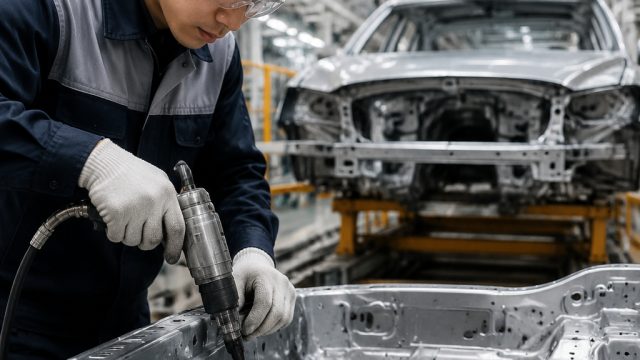
In the heart of South Korea's industrial landscape, the SL factory located in the Seongseo Industrial Complex, Daegu, stands as a beacon of innovation and efficiency in automotive parts manufacturing. During a recent visit, the factory's commitment to advanced technology and sustainable practices was evident, positioning it at the forefront of the automotive industry.
Technological Advancements Shaping the Future
The automotive sector is undergoing a transformative phase, driven significantly by technological advancements. The SL factory exemplifies this shift with its implementation of smart manufacturing systems, designed to enhance productivity and streamline operations.
Automation and Robotics
- Integration of robotics for assembly lines.
- Use of AI for predictive maintenance and quality control.
- Deployment of automated guided vehicles (AGVs) for material handling.
These technologies not only improve efficiency but also reduce the margin for error, ensuring that the automotive parts produced meet the highest standards of quality.
Sustainability Initiatives
In today's eco-conscious market, sustainability is no longer an option; it's a necessity. The SL factory is leading by example through various initiatives:
- Utilization of recyclable materials in production processes.
- Implementation of energy-efficient machinery.
- Reduction of waste through lean manufacturing practices.
Such measures not only decrease the environmental impact but also align with the growing demand for sustainable automotive solutions.
The Importance of Skilled Labor
While technology plays a crucial role in modern manufacturing, the workforce remains the backbone of the industry. The SL factory prioritizes the development of its workforce, ensuring employees are equipped with the skills needed to operate advanced machinery and adapt to new technologies.
Training and Development Programs
Continuous learning is essential in a rapidly evolving field like automotive manufacturing. The SL factory offers:
- Regular training sessions on new technologies.
- Partnerships with local technical schools for skill development.
- Incentives for employees to pursue further education in automotive engineering.
By investing in human capital, the factory not only enhances its operational efficiency but also fosters a culture of innovation among its workforce.
Market Adaptability in a Competitive Landscape
The automotive parts market is highly competitive, requiring manufacturers to be agile and responsive to changing demands. The SL factory has demonstrated its ability to adapt through strategic market analysis and flexible production capabilities.
Consumer Trends and Product Development
Recognizing shifts in consumer preferences, the factory has begun to diversify its product offerings:
- Development of lightweight materials for improved fuel efficiency.
- Focus on parts compatible with electric vehicles.
- Customization options for enhanced consumer satisfaction.
This adaptability not only meets current market demands but also positions the SL factory to thrive in the future automotive landscape.
Conclusion: A Model for the Automotive Industry
The SL factory in Daegu is more than just a manufacturing facility; it’s a model of how the automotive industry can innovate through technology, empower its workforce, and embrace sustainability. As the sector continues to evolve, factories like SL will play an essential role in shaping the future of automotive manufacturing, ensuring that it meets the demands of both consumers and the environment alike.
