
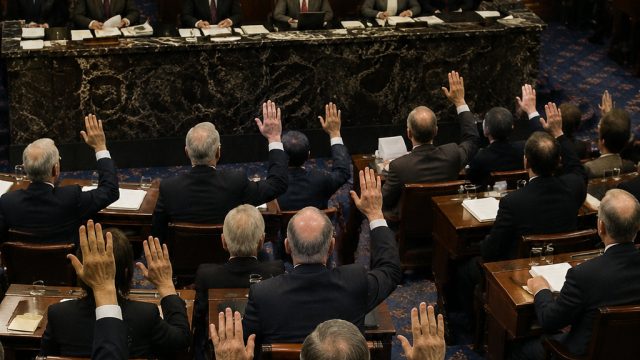
In a historic move that marks a significant shift in U.S. military policy, the Senate cast a decisive vote on June 23, 2026, urging the immediate withdrawal of American troops from the conflict in Iran. This measure, which saw a narrow approval of 50 to 48, signifies a rare moment of congressional dissent against the executive branch, highlighting growing concerns over the prolonged military engagement in the region.
The Context of the Vote
The vote comes amid escalating tensions between the United States and Iran, with many lawmakers questioning the effectiveness and justification of the current military strategy. The Senate's decision reflects broader public sentiment favoring a reevaluation of U.S. foreign policy and military commitments overseas.
Key Takeaways from the Senate's Decision
- Rare Bipartisan Support: The measure garnered support from several Republican senators, including Rand Paul and Susan Collins, underscoring a rare bipartisan consensus on the issue of military intervention.
- Urgency for Withdrawal: Proponents of the measure argue that continued U.S. presence in Iran not only escalates tensions but also diverts critical resources from pressing domestic issues.
- Impact on U.S.-Iran Relations: The decision is likely to influence diplomatic relations moving forward, potentially opening pathways for negotiation and peace talks.
Military and Political Implications
As the Senate's vote reverberates through political circles, the implications for military strategy and international relations are profound. Lawmakers are now grappling with the consequences of a rapid troop withdrawal, balancing national security interests with the need for diplomatic engagement.
Potential Reactions from Military Leaders
Senior military officials have expressed concerns about the abrupt withdrawal of forces, particularly regarding the stability of the region and the potential power vacuum that could ensue. Commanders are likely to provide assessments to Congress on how best to proceed without compromising U.S. interests.
The Broader Impact on U.S. Foreign Policy
This Senate action not only challenges the current administration's handling of military engagements but also raises fundamental questions about the future direction of U.S. foreign policy. The call for troop withdrawal could signal a shift toward more restrained military intervention and greater diplomatic efforts.
Public Sentiment and Future Elections
As public opinion increasingly favors a more cautious approach to foreign military involvement, lawmakers ahead of the upcoming elections must navigate these sentiments carefully. The Senate's vote might resonate with constituents advocating for a foreign policy that prioritizes diplomacy over military action.
Conclusion: A Defining Moment in U.S. History
The Senate’s historic vote is a clear indication of changing tides in U.S. military policy and public sentiment towards overseas conflicts. As lawmakers move forward, the decisions made in the coming weeks will undoubtedly shape the landscape of American foreign policy for years to come. The implications of this vote may serve as a rallying point for those advocating for a more peaceful and diplomatic approach to international relations.
