
Introduction
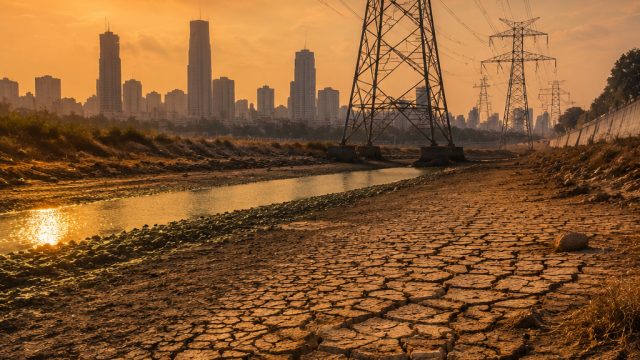
Europe is currently grappling with an intense heat wave that is placing enormous strain on its power supply systems. As temperatures soar across the continent, energy demand has surged, leading to extreme fluctuations in electricity prices. This situation not only highlights the immediate challenges faced by energy providers but also serves as a critical reminder of the broader implications of climate change on energy infrastructures.
Surge in Energy Demand
The persistent high temperatures have resulted in a significant increase in electricity consumption. Residential and commercial air conditioning units are working overtime to combat the heat, pushing energy demands to their limits. Energy analysts report that many regions are seeing electricity usage peak during the hottest hours of the day, a trend that is likely to continue as temperatures remain elevated.
How Heat Waves Impact Electricity Demand
- Increased Cooling Needs: Higher temperatures lead to a greater need for cooling solutions, which in turn drives up electricity consumption.
- Industrial Demand: Many industries rely on cooling systems to maintain operations, further escalating energy needs.
- Peak Load Challenges: Utilities must prepare for peak load conditions, requiring more energy production and potentially leading to supply shortages.
Price Fluctuations and Market Response
As demand spikes, so too do electricity prices, creating a volatile market that can leave consumers and businesses vulnerable. Reports indicate that in several countries, electricity prices have skyrocketed, causing concern among consumers and policymakers alike. The price volatility is not just a minor inconvenience; it poses significant risks to economic stability and energy equity.
Key Factors Contributing to Price Increases
- Supply Constraints: Alongside rising demand, several power plants have reported reduced output due to overheating, further tightening the available supply.
- Market Speculation: Traders anticipate price increases and adjust accordingly, which can add to the price escalations.
- Policy and Infrastructure: Existing energy policies and infrastructure may not be sufficient to cope with such extreme weather, necessitating a review and potential overhaul.
Long-Term Implications for Europe’s Energy Future
The current heat wave serves as a wake-up call regarding the urgency of developing resilient energy systems. As climate change continues to impact weather patterns, Europe must adapt its energy infrastructure to meet these new challenges. Long-term strategies may involve investing in renewable energy sources, enhancing grid capabilities, and promoting energy efficiency among consumers.
Strategies for Building Resilience
- Investing in Renewable Energy: Expanding the use of renewable energy sources like solar and wind can help mitigate reliance on traditional power generation.
- Smart Grids: Implementing smart grid technologies can enhance the efficiency of electricity distribution and improve supply management during peak demand periods.
- Community Initiatives: Encouraging local energy solutions, such as community solar projects, can reduce the burden on larger power plants.
Conclusion
The ongoing heat wave in Europe is more than just a temporary weather phenomenon; it is a glaring indication of the pressing challenges posed by climate change on energy systems. As electricity prices soar and supply becomes increasingly strained, the need for comprehensive strategies to enhance energy resilience becomes paramount. By prioritizing sustainable practices and investing in innovative solutions, Europe can work towards a more stable and equitable energy future.
