
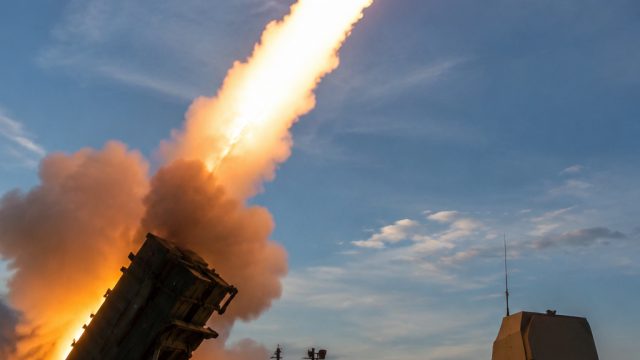
In a significant move that underscores its commitment to national defense, the United States has successfully conducted the first test of its latest missile defense system. This development comes at a crucial time as geopolitical tensions rise globally, prompting nations to reassess their security strategies. Understanding the implications of this test is vital for grasping the evolving landscape of global defense.
Understanding the New Missile Defense System
The newly tested missile defense system represents cutting-edge advancements in military technology. Designed to intercept and destroy incoming missiles, its success could shift the balance of power in international relations. This test not only marks a technological milestone but also sends a clear message about the U.S. military's readiness to defend against potential threats.
Features and Capabilities
- Advanced Tracking Technology: Utilizes state-of-the-art radar and tracking systems to identify and follow targets with precision.
- Multi-layered Defense: Offers a comprehensive approach to missile defense, capable of addressing threats at various altitudes.
- Rapid Response: Designed for quick deployment, ensuring that the U.S. can react swiftly to emerging threats.
The Strategic Importance of Missile Defense
With rising concerns over missile threats from various nations, including rogue states, the importance of an effective missile defense system cannot be overstated. As countries like North Korea continue to advance their missile capabilities, the U.S. must remain proactive in safeguarding its interests and allies.
Implications for Global Security
The successful test signifies more than just military capability; it reflects the U.S.'s commitment to maintaining global peace and stability. Other nations are likely to respond to this development, which could lead to a renewed arms race or increased diplomatic efforts to address missile proliferation.
What Comes Next?
The implications of this test extend beyond military applications. It could influence international relations, alliances, and defense budgets around the world. As nations evaluate their own defense strategies in light of U.S. advancements, we could see shifts in diplomatic stances and military partnerships.
Potential Reactions from Other Countries
- Increased Military Spending: Nations may boost their defense budgets to counter U.S. advancements.
- Strategic Alliances: Countries might seek new alliances or strengthen existing ones to ensure their own security.
- Diplomatic Engagements: There may be calls for renewed international dialogues to address missile threats and promote disarmament.
Conclusion: A pivotal Moment for the Future of Defense
The successful test of the U.S. missile defense system marks a pivotal moment in the realm of national security and global defense. As nations respond to this advancement, the future landscape of military engagement and international relations will undoubtedly be shaped by these developments. It is essential for all stakeholders to engage in thoughtful discussions about the implications of such technologies to promote peace and security on a global scale.
